

Why Coworking Office in Melbourne Beats Traditional Offices
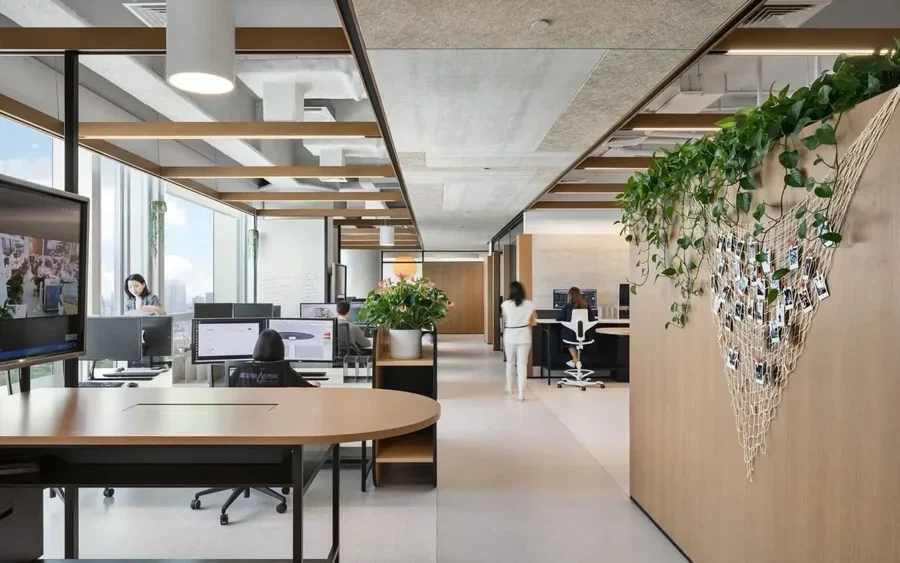
Melbourne’s business environment is full of energy. Start-ups in tech and established companies in finance and design are finding that workspaces are no longer a one-size-fits-all deal. Businesses now want more than just four walls. They want spaces that keep up with their pace. Across Australia, the shift toward flexible working has reshaped what people expect from an office.
In this blog, we will look at how coworking compares to traditional offices and why so many companies are changing how they work. You’ll see how flexibility, cost, and culture come together to make coworking a smart choice.
Understanding the Two Office Models
A traditional office is a private space leased for a fixed term, and this is often several years. You have to handle everything, like rent, fit-out, furniture, cleaning, and utilities. This gives you control but comes with high upfront costs and ongoing responsibilities.
Coworking spaces are different. You pay for access to a shared environment with desks, meeting rooms, and common areas. The provider manages the facilities, so you can just focus on your work. Memberships can be monthly, weekly, or even daily, depending on your needs.
But this difference isn’t just the layout. Traditional offices are like owning a house, you’re responsible for everything. Coworking is closer to a serviced rental where you show up, work, and leave without thinking about the maintenance.
Why Businesses are Reconsidering Their Workspaces
Work culture has changed so much in the past decade. So many companies operate remotely today, and their teams are distributed, and many employees want flexibility over where and how they work. This has made rigid office leases less interesting.
Melbourne is a mix of creative industries, professional services, and tech start-ups, and it reflects this change. Companies now go for arrangements that allow them to adjust quickly when their team size changes or when they have completed a project. Coworking spaces answer this need with shorter commitments and adaptable setups.
Cost Efficiency and Flexibility
One of the biggest differences comes down to money. Traditional offices lock you into a long lease, often three to five years. You pay rent regardless of how much of the space you use, and you’re responsible for furnishing it.
A coworking office in Melbourne gives you options. You can pay for just a desk, a private office, or a combination. If you need to expand or shrink your team, you can adjust your plan without penalty. Utilities, cleaning, and internet are included, so you avoid extra bills stacking up.
This approach can help you save cash for other business priorities. Instead of having your money tied up in spaces that you don’t use, you can put that money toward hiring, marketing, or product development.
Networking and Community Opportunities
There is an advantage of coworking that most people don’t see, and it is the people you meet. Every day, you share space with professionals from different industries like designers, developers, consultants, and entrepreneurs. It is possible for these casual interactions to turn into collaborations, partnerships, or referrals.
In Melbourne, where creative and professional communities often overlap, these connections can be valuable. You might meet a designer who can work on your branding or a consultant who can help with your next expansion. Traditional offices rarely offer this kind of organic networking.
Some coworking spaces also host events like workshops, talks, or casual social gatherings, so you have regular chances to connect without going out of your way.
Access to Premium Amenities Without Extra Costs
In a traditional office, anything beyond the basics adds to your expenses. Meeting rooms, a kitchen, ergonomic chairs, and high-end printers all require extra spending.
Coworking spaces include these features in the membership. You can book a meeting room when needed, use shared lounges for informal discussions, or take calls in soundproof booths. Many spaces also provide fast internet, stocked kitchens, and even wellness rooms.
This means you get the perks of a large corporate office without the associated costs or maintenance headaches.
Scalability for Growing Teams
If you’re growing, a traditional lease can slow you down. Adding more people often means moving to a larger office, which costs time and money.
Coworking is designed to scale. If your team grows, you can add desks or switch to a bigger office within the same building. If you downsize, you simply reduce your membership. This flexibility is especially useful for businesses that experience seasonal changes in staffing.
Location Advantages
Location matters for attracting both talent and clients. In Melbourne, many coworking spaces are in prime spots, close to public transport, cafes, and key business districts. Being near the CBD or popular suburbs like Fitzroy or Southbank makes commuting easier for your team and convenient for client meetings.
Traditional offices in similar locations often cost significantly more. Coworking lets you access premium addresses without paying premium rent. A central location also adds to your professional image. Meeting clients in a stylish, well-equipped space sends a stronger impression than a dated office in a far-off area.
When a Traditional Office Still Makes Sense
While coworking offers many advantages, traditional offices have their place. Industries that handle sensitive information or require highly customised setups might prefer private offices that they can fully control. Large corporations with long-term stability may also see value in owning or leasing a dedicated space.
This kind of decision depends on your business model, budget, and priorities. Some companies even combine both, keeping a small private office and using coworking for satellite teams or overflow space.
Conclusion
The workplace is no longer defined by fixed walls and long leases. For many companies, flexibility, cost savings, and a sense of community matter more than owning every square metre. A coworking office in Melbourne offers these benefits without the long-term commitment of traditional setups.
As the way we work continues to shift, businesses that adapt quickly will have the edge. The offices of the future may be less about a single location and more about spaces that support how people actually work.


