


Watercolour Painting 101: Here’s the Must-Have Brushes and Paints for Every Type of Artist
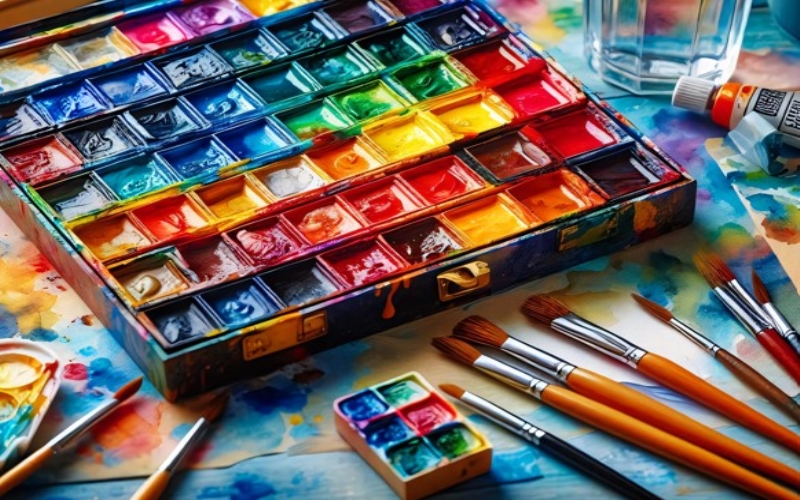
Did you know that watercolour painting is one of the most captivating and expressive art forms? Whether you are a newbie planning to dabble in your first project or a pro artist wishing to fine-tune your skills, having the perfect tools is key to accomplishing amazing results.
Sure, technique and creativity play integral roles in the process, but picking the right brushes and paints could elevate your overall artwork to new heights.
If you have ever walked into an art supply store or searched online, you know the process of choosing watercolour tools can be a bit overwhelming.
What type of paint should you pick? How many brushes do you actually need? And does quality matter as much as they say? Worry no more—we’ve got you covered. Let’s walk you through the must-have tools for watercolour painting that will help you on your creative journey.
1. The perfect watercolour paints
Let’s begin with the basics—your watercolour paints. When we talk about choosing paints, the two most typical options are tubes and pans. Pans are compact, solid paints that you activate with water. Meanwhile, tubes have semi-liquid or liquid paint that provides richer color directly from the tube.
If you’re a beginner to watercolours, pans might be the perfect option to start with because they are easier to control and take up less space. But if you’re an experienced artist or seeking more vibrant color from the get-go, a tube might be the perfect option. Most artists also like to keep both on hand for versatility.
Just one thing to keep in mind: watercolour paints are the difference between artist-grade and student-grade artists. The latter is more reasonable, but they are more likely to have less pigment and can produce duller colors.
Meanwhile, artist-grade paints, even though costlier, offer richer color and better transparency—both of which are important for that lovely, flowing watercolour effect.
2. Must-have watercolour brushes
Now, let’s talk about the most integral tools in your watercolour kit—BRUSHES.
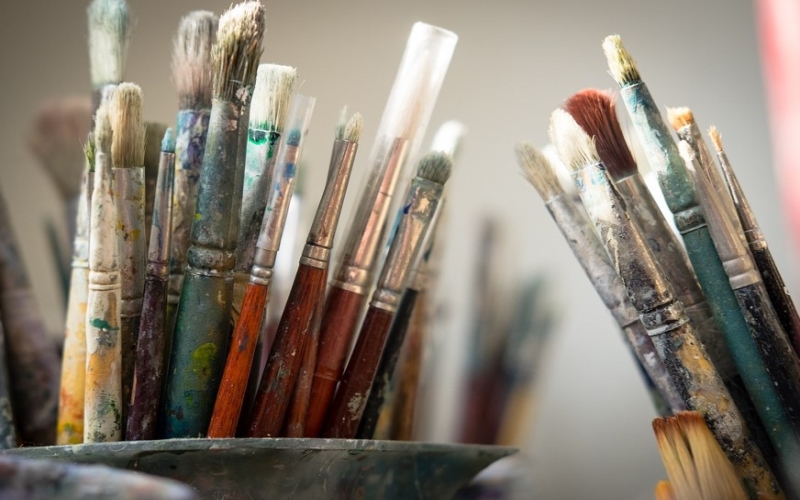
You have probably heard the motto, “A painter is only as good as their brush.” When we talk about watercolour, that holds some truth. Keep in mind that your brushes could make or break the detail and control in your painting. Hence, selecting the best one is crucial.
On top of that, watercolour brushes are often softened compared to brushes utilized for media like oil painting or acrylic. That’s because they must hold more water and distribute paint in a smooth, even flow.
Here are a few types of brushes that should be in every watercolour’s toolkit:
- Detail brush – Are you working on a painting that needs intricate detailing? Then, a fine-tipped detail brush will be your best friend. You can use this for those delicate outlines, facial features, or any area that requires a precise hand.
- Flat brush – This brush is suitable for painting big areas of color or making straight, bold lines. Also, flat brushes come in handy when making textured effects like the sky.
- Round brush – Remember that the workhorse of watercolour painting is versatile and could be used if the round body holds enough water to produce smooth washes.
Speaking of quality, investing in professional-grade brushes could substantially enhance your painting experience. For instance, the Professional Watercolour Brushes from Shimmer Drops Paint are an excellent option.
Such brushes are made with soft bristles that hold water well, enabling smooth, even strokes that are ideal for both newbies and advanced artists. Furthermore, they are durable enough to last through numerous painting sessions, making them a worthwhile investment.
3. Other Must-Have Tools
On top of paints and brushes, there are other important tools you’ll like to keep in your watercolour kit:
- Masking fluid – This handy tool enables you to block out areas of your painting where you wish to restore the white of the paper. Once dry, you could paint over it, then peel it off to show clean, unpainted sections.
- Palette – A good palette is vital for combining your colors. Whether you use a basic plastic palette or a ceramic one, ensure it has various wells for blending and experimenting with different shades.
- Water containers – Do not forget to have two water containers—one for washing your brush and the other one for clean water to dip your brush into for painting and mixing. That helps avoid muddy colors.
- Watercolour paper – Regular printer paper won’t cut it when it comes to watercolours. Remember that watercolour paper is designed to deal with the pigments and wetness of your paints without tearing or warping. Always look for hot-pressed or cold-pressed paper, depending on whether you want a smoother or textured finish.
- Experimentation and practice
Now that you have your must-have tools ready, the final key to your watercolour success is practice. Do not be afraid to experiment without various brush techniques, color blends, and paint densities.
You can also play around with washes, try out layering, and allow the water to do its magic. Keep in mind that the more you paint, the more comfortable you will become with your materials—the better the results will be.
Overall, watercolour painting is an awesome blend of creativity, technique, and the best tools. Just ensure you are equipped with quality paints, brushes like those from Shimmer Drops Paint, and other vital things that will improve your painting experience.
With all these tools in mind, you are set to make beautiful watercolour art—happy painting!