


The Role of Button Pins in Political and Social Movements
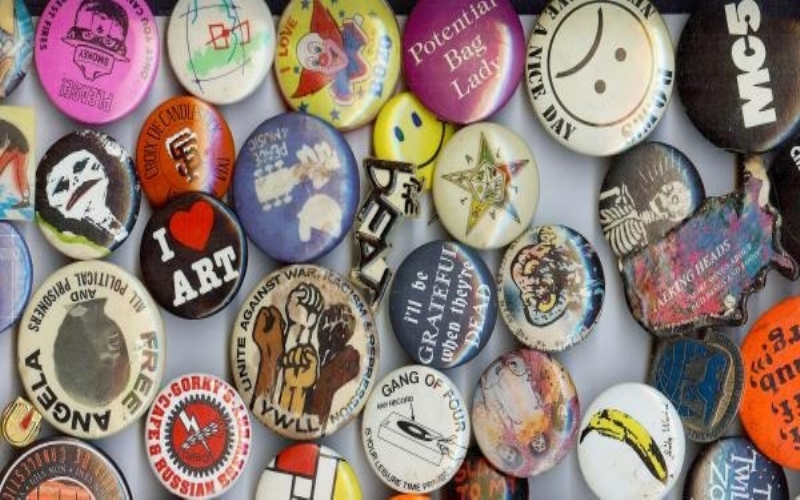
Button pins have long been a staple of political and social movements, serving as powerful symbols of advocacy, identity, and community. These small, portable pieces of art can convey complex messages, promote awareness, and foster solidarity among diverse groups. In this comprehensive guide, we will explore the historical significance, design elements, and the impact of button pins on contemporary movements.
Historical Context
Button pins have been used since the late 19th century, initially as fashion accessories and promotional items. However, their potential as tools for activism became apparent during the civil rights movement of the 1960s. Activists began using buttons to raise awareness about social issues, from racial equality to women’s rights. The iconic “I ♥ NY” button, created in the 1970s, further popularized the medium, demonstrating its effectiveness in generating support and fostering community identity.
The Power of Messaging
One of the primary reasons button pins are so effective in political and social movements is their ability to convey powerful messages succinctly. A single button can encapsulate a movement’s goals, values, or calls to action in a visually striking way. For instance, buttons emblazoned with slogans like “Black Lives Matter,” “Love is Love,” or “Women’s Rights are Human Rights” serve not only as personal statements but also as invitations for dialogue.
Design Elements
The design of button pins plays a crucial role in their effectiveness. Color, typography, and imagery work together to create visually appealing and meaningful designs. Here are some key design elements to consider:
- Color Psychology: Colors evoke emotions and can influence perceptions. For example, red often symbolizes passion or urgency, while blue may convey trust and calm. Choosing the right colors can enhance the button’s message and impact.
- Typography: The font used on a button can convey tone and urgency. Bold, sans-serif fonts may suggest strength and clarity, while handwritten fonts can create a more personal connection.
- Imagery: Icons and symbols can enhance the message conveyed by text. The raised fist symbol, for example, is universally recognized as a sign of solidarity and resistance.
Building Community and Identity
Button pins are more than just accessories; they foster a sense of community among activists and supporters. Wearing a button pin signifies belonging to a larger movement and can spark conversations about shared beliefs and experiences. For instance, during pride events, individuals often wear rainbow-colored buttons that symbolize their identity and solidarity with the LGBTQ+ community.
Moreover, button pins can be used to commemorate significant events, such as anniversaries of historical protests or milestones in social justice. By wearing these buttons, individuals pay tribute to the struggles and victories of those who came before them, reinforcing a collective identity and purpose.
Fundraising and Awareness
Button pins have also proven to be effective tools for fundraising and awareness campaigns. Nonprofits and grassroots organizations often sell or distribute button pins to raise funds for their initiatives. The low production cost of buttons allows organizations to create and distribute them widely, making it easy for supporters to participate in a cause.
Additionally, button pins can serve as conversation starters, encouraging individuals to discuss the issues they represent. This can lead to greater awareness and understanding of social and political issues, helping to mobilize support for various causes.
Case Studies
The Women’s Movement
In the fight for gender equality, button pins have played a crucial role in amplifying voices and raising awareness. The “Nevertheless, She Persisted” button became a rallying cry for feminists after Senator Mitch McConnell used the phrase to silence Senator Elizabeth Warren. This phrase, now emblazoned on countless button pins, has come to symbolize the resilience of women in the face of adversity.
Environmental Activism
Button pins have also become synonymous with environmental movements. Organizations like Greenpeace and the Sierra Club use buttons to promote awareness about climate change and conservation efforts. Slogans such as “Save the Earth” or “There is No Planet B” resonate with individuals who seek to advocate for sustainable practices and policies.
Political Campaigns
Political campaigns have effectively utilized button pins as a means of promoting candidates and their platforms. Buttons featuring candidates’ names, slogans, and images serve as mobile advertisements, helping to increase visibility and support. During elections, voters proudly wear buttons to show their allegiance, contributing to a sense of camaraderie among supporters.
The Digital Age and Button Pins
With the rise of social media, the impact of button pins has expanded even further. Activists can now share images of their button pins online, creating virtual communities and amplifying their messages. Hashtags like #ButtonUp and #PinItForward encourage individuals to showcase their button collections and promote causes they care about.
Moreover, the digital age has enabled creators to design custom buttons that can be shared and sold online. This democratization of design allows grassroots movements to produce buttons that resonate with their specific audiences, fostering inclusivity and diversity within the activist community.
Conclusion
Button pins are more than mere accessories; they are powerful tools for advocacy, awareness, and community building. Their historical significance, combined with their ability to convey meaningful messages, makes them essential components of political and social movements. As we continue to navigate complex societal issues, the role of button pins will likely evolve, adapting to new challenges and opportunities. Whether worn on a jacket, bag, or hat, button pins will remain symbols of solidarity, resilience, and the ongoing fight for justice and equality. By embracing the power of button pins, we can continue to raise our voices and effect meaningful change in our communities and beyond.


