


The Eco-friendly Materials Used In Modern Office Furniture
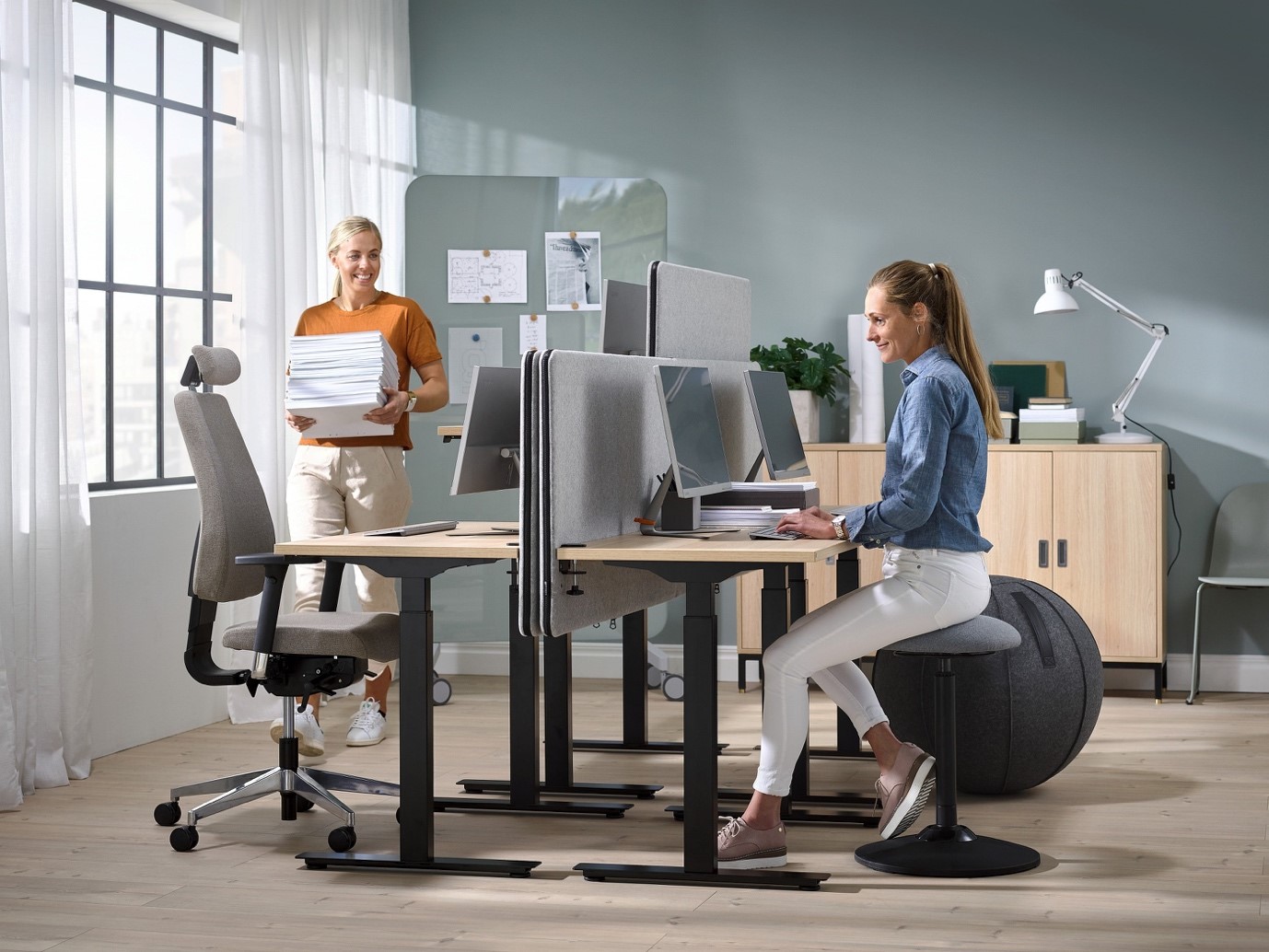
Modern office furniture has come a long way in terms of sustainability and environmental responsibility. With the increasing awareness of the importance of eco-friendliness, many manufacturers are turning to sustainable materials to create office furniture. In this article, we will explore the eco-friendly materials used in modern office furniture and their impact on creating greener and more sustainable workspaces.
1. Sustainable Wood and Bamboo
Wood is a popular choice in office furniture, but it has its environmental challenges. To address this, manufacturers now use sustainable wood sources, such as FSC (Forest Stewardship Council) certified wood. Bamboo is another sustainable option, as it is a fast-growing plant that can be harvested without harming the environment.
2. Recycled and Reclaimed Wood
Recycled and reclaimed wood are eco-friendly alternatives for office furniture. These materials repurpose wood from old furniture or structures, reducing the need for new timber and diverting waste from landfills.
3. Recycled Metal and Steel
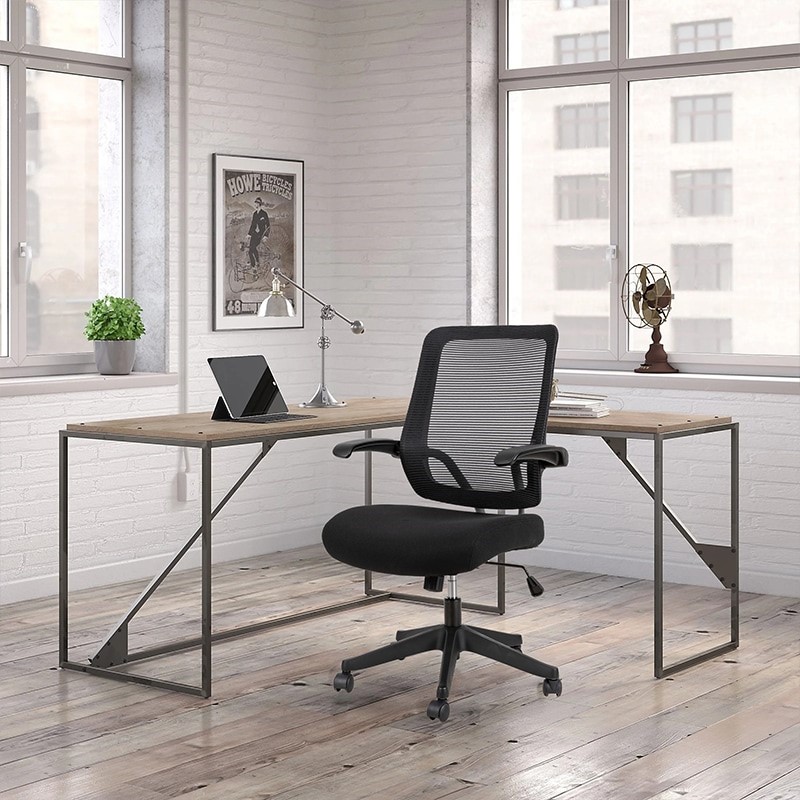
Recycled metal and steel are commonly used in the making of office Ergonomic Chair and table. These materials are durable, and using recycled variants reduces the energy and resources required for extraction and processing.
4. Non-Toxic and Low-VOC Finishes
The finishes applied to office furniture can release volatile organic compounds (VOCs) that are harmful to both health and the environment. Low-VOC and non-toxic finishes are increasingly used to reduce these emissions, creating a healthier and more eco-friendly workspace.
5. Recycled Plastics
Many modern office furniture pieces that go through the plastic extrusion process incorporate recycled plastics, such as reclaimed plastic bottles or discarded plastic products. This approach reduces plastic waste and conserves resources.
6. Glass and Recycled Glass
Glass is a versatile material often used in office furniture. Some manufacturers use recycled glass in their products, which reduces the environmental impact by reusing materials.
7. Cork and Cork Composites
Cork is a sustainable material that regenerates after harvesting, making it an eco-friendly choice for furniture. Cork composites combine cork with other materials to create durable and aesthetically pleasing furniture.
8. Sustainable Fabrics
Upholstered furniture often uses fabrics, and sustainable options include organic cotton, recycled polyester, and fabrics made from natural fibers like hemp and jute. These materials reduce the environmental footprint of office furniture.
9. Natural Stone and Sustainable Stone Alternatives
For items like tables and countertops, natural stone and sustainable stone alternatives are used. These materials offer longevity and aesthetic appeal while being more eco-friendly than traditional stone options.
10. Recycled Cardboard
Cardboard is a surprisingly versatile and sustainable material for office furniture. It is often used for lightweight and temporary furniture solutions, reducing the need for traditional materials like wood or plastic.
11. Paper-Based Materials
Paper-based materials, such as compressed paperboard, are used in the construction of desks and tables. These materials are created from recycled paper and cardboard, offering an eco-friendly alternative.
12. Rattan and Wicker
Rattan and wicker furniture is not only stylish but also sustainable. These natural materials grow rapidly and can be harvested without causing harm to the environment.
Conclusion: Building a Greener Workspace
Eco-friendly materials in modern office furniture play a vital role in reducing the environmental impact of the workplace. These materials not only contribute to a healthier planet but also create a workspace that aligns with the values of sustainability. As the demand for eco-friendly office furniture continues to grow, manufacturers are innovating and expanding their use of sustainable materials.