


Supplementation Ideas for Better Health and Energy
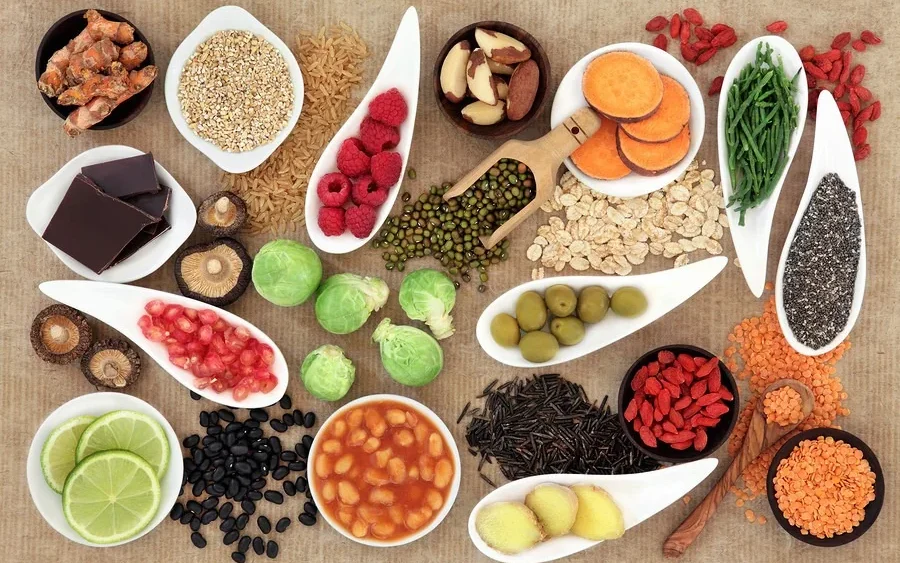
Staying healthy and feeling your best isn’t always easy, especially with busy schedules, school, sports, and social life. Even if you try to eat well, it’s common to miss out on some nutrients your body needs. That’s where supplements come in. They’re not a replacement for food, but they can help fill gaps, boost energy, support growth, and improve overall wellness. Here are some supplementation ideas you might find helpful.
Vitamins and Minerals
Vitamins and minerals are essential for almost everything your body does—like keeping your bones strong, helping your brain work, and supporting your immune system. Some people may need extra supplements because of diet, lifestyle, or where they live.
- Vitamin D: This “sunshine vitamin” helps bones, mood, and immunity. If you spend most of your time indoors or live in a place with little sunlight, vitamin D supplements can help.
- Magnesium: Important for muscles, nerves, and energy, magnesium can help reduce cramps, stress, and sleep problems.
- Iron: Needed for energy and focus, iron can help teens with heavy periods, vegetarians, or anyone with low iron levels.
- Multivitamins: A daily multivitamin can act as a safety net, making sure you get essential nutrients you might not get from food alone.
Protein Supplements
Protein helps your muscles grow, repair, and stay strong. It also keeps you full and helps your body make important hormones. While you can get protein from food like meat, eggs, beans, and nuts, supplements are convenient if you’re active or don’t always eat enough.
- Whey Protein: Fast-absorbing and full of essential amino acids, it’s great after workouts for muscle recovery.
- Plant-Based Proteins: Options like pea, rice, or hemp protein are perfect for vegetarians, vegans, or anyone avoiding dairy. Mixing different plant proteins gives a complete amino acid profile.
- Collagen: Supports joints, skin, and connective tissue, helping with flexibility and recovery.
- Creatine Gummies: A fun and easy way to boost strength and muscle energy. These gummies are convenient, taste great, and make it easy to get creatine daily without powders or shakes.
Omega-3 Fatty Acids
Omega-3s are healthy fats that help your brain, heart, and joints. Many teens don’t get enough, especially if they don’t eat fatty fish like salmon.
- EPA and DHA: Found in fish oil or algae supplements, these support memory, learning, and cardiovascular health.
- ALA: Plant-based omega-3s in flaxseed, chia, and walnuts can help too, though they aren’t converted to EPA and DHA as efficiently, so some people prefer direct supplements.
Probiotics and Gut Health
A healthy gut is important for digestion, nutrient absorption, and immunity. Probiotics are friendly bacteria that keep your gut balanced, while prebiotics are fibers that feed those bacteria.
- Lactobacillus and Bifidobacterium strains: Can help with digestion and immune support.
- Prebiotics: Fibers like inulin or fructooligosaccharides improve gut bacteria and overall gut health.
- Probiotic Gummies: For teens who don’t like pills, gummy probiotics are tasty and easy to remember every day.
Adaptogens and Stress Support
Stress can make it harder to sleep, focus, and feel energized. Adaptogens are natural herbs that help your body handle stress better.
- Ashwagandha: Can reduce stress hormones and improve calmness.
- Rhodiola Rosea: Helps fight fatigue and boosts mental performance during stressful times.
- Holy Basil: Traditionally used to support immunity and reduce tension.
- Adaptogen Gummies or Teas: Some supplements come in gummies or flavored teas, making them easy to take during a busy school day.
Joint and Bone Health
Strong bones and flexible joints are essential for sports, growth, and long-term mobility. Certain supplements can help support this.
- Glucosamine and Chondroitin: Can help joints stay healthy, especially for athletes or active teens.
- Calcium: Needed for growing bones. Teens who don’t get enough dairy or fortified foods may benefit from a supplement.
- Vitamin K2: Works with calcium and vitamin D to keep bones strong and arteries clear.
Brain and Focus Support
If you want to improve focus, memory, or learning, some supplements may help.
- B Vitamins: Support energy and brain function, especially B6, B12, and folate.
- Ginkgo Biloba: May help circulation and focus.
- Lion’s Mane Mushroom: Supports nerve health and learning over time.
Safety and Personalization
Supplements can be great, but it’s important to remember everyone is different. Factors like age, diet, activity level, and health conditions affect what you need. Some tips:
- Check your diet first to see what nutrients you might be missing.
- Blood tests can help identify deficiencies.
- Talk to a healthcare professional, especially if you take medications or have medical concerns.
Conclusion
Supplements aren’t a shortcut—they complement a balanced diet and healthy lifestyle. From essential vitamins and minerals to protein powders, creatine gummies, omega-3s, probiotics, and stress-supporting adaptogens, there are many ways to support your health. By choosing supplements wisely and consistently, you can boost energy, improve focus, strengthen muscles and bones, and feel your best every day. Small steps, like adding a daily multivitamin, a protein shake, or even a tasty gummy, can make a big difference over time.