


Comparing Chlorine Dioxide Toothpaste with Traditional Fluoride Toothpaste
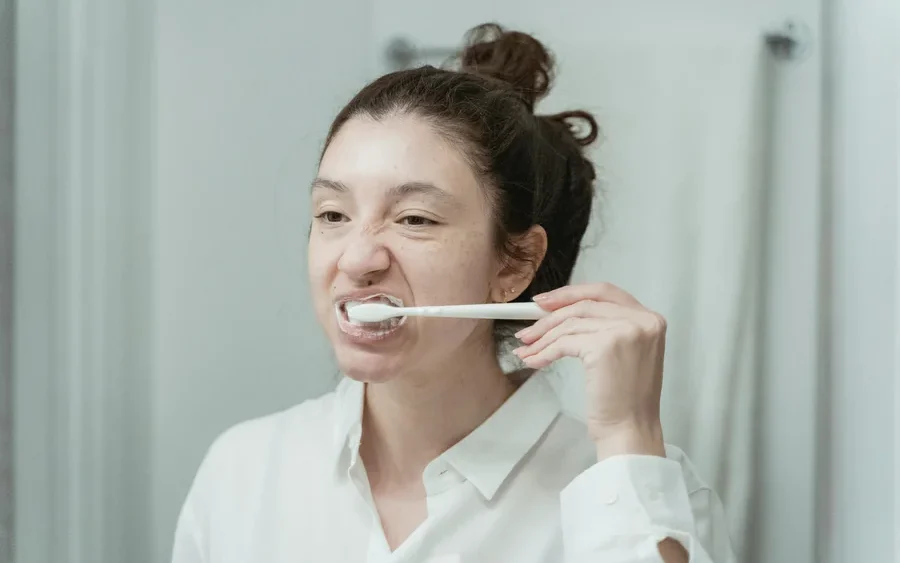
Choosing the right toothpaste is key to maintaining good oral health. Traditional fluoride toothpaste has long been known for strengthening enamel and preventing cavities. Active chlorine dioxide toothpaste, however, focuses on reducing odor-causing bacteria and supporting overall oral hygiene in a different way. Knowing how each works can help you make better choices for your daily routine.
Both types clean teeth and fight bacteria, but in different ways. Fluoride strengthens enamel, making teeth more resistant to decay. Chlorine dioxide targets sulfur compounds that cause bad breath and bacterial buildup. While fluoride mainly prevents cavities, chlorine dioxide helps maintain overall oral freshness and bacterial balance.
Fighting Cavities vs. Fighting Odor
Fluoride toothpaste is highly effective at preventing cavities by strengthening enamel and helping teeth resist acid from foods and drinks. Regular use has been shown to reduce decay over time, making it a cornerstone of preventive dentistry. Its main benefit lies in this protective effect rather than addressing breath or bacterial odor directly.
Active chlorine dioxide toothpaste complements this by tackling the bacteria responsible for bad breath. It doesn’t necessarily strengthen enamel like fluoride, but it helps maintain a cleaner, fresher mouth. For people struggling with persistent odor despite brushing, chlorine dioxide can be a valuable addition to oral care.
Gentle vs. Standard Formulations
Fluoride toothpaste comes in many flavors and strengths, but some formulations can be harsh on sensitive mouths, especially if they contain strong abrasives or whitening agents. People with sensitive gums or teeth may experience irritation or enamel wear if used excessively. Choosing a milder formula or using it less frequently can help protect enamel while still providing cavity protection.
Chlorine dioxide toothpaste is often formulated to be gentler, especially for those who prefer fluoride-free options. Its focus is on oral cleanliness without aggressive abrasives, making it suitable for daily use and for individuals looking to reduce chemical exposure. This can be particularly appealing for adults seeking a mild yet effective cleaning routine.
Overall Oral Hygiene Impact
Fluoride toothpaste excels at preventing decay and maintaining strong teeth, making it a key part of long-term dental health. However, it may not fully address issues like persistent bad breath or bacterial buildup between teeth and on the tongue. Combining it with other oral care products or routines can help provide more comprehensive mouth care.
Active chlorine dioxide toothpaste fills that gap by targeting bacteria and odor, supporting overall mouth health beyond just the teeth. Using it as part of a routine, either alone or in combination with fluoride, can help create a more balanced and comprehensive approach to oral hygiene.
Choosing What Works for You
The choice between fluoride and chlorine dioxide toothpaste depends on individual needs. Those focused on cavity prevention may prioritize fluoride, while people struggling with odor, bacteria, or sensitive mouths may benefit more from chlorine dioxide. Some users alternate or combine both types for the best of both worlds.
Ultimately, understanding the strengths of each option allows people to make choices that suit their lifestyle and oral health goals. Both products offer real benefits, but knowing the difference ensures a routine that targets your personal needs effectively.
Conclusion
Fluoride and active chlorine dioxide toothpaste each have distinct advantages for oral care. Fluoride strengthens enamel and prevents cavities, while chlorine dioxide reduces odor-causing bacteria and promotes overall mouth freshness.
Choosing the right toothpaste depends on your priorities, whether that’s decay prevention, fresh breath, or a gentle cleaning experience. For many, combining insights from both types can lead to a more complete and satisfying oral care routine. By understanding how each works, individuals can maintain healthier teeth and a fresher mouth every day.