


How Air Filters Contribute to a Healthier, Longer Life
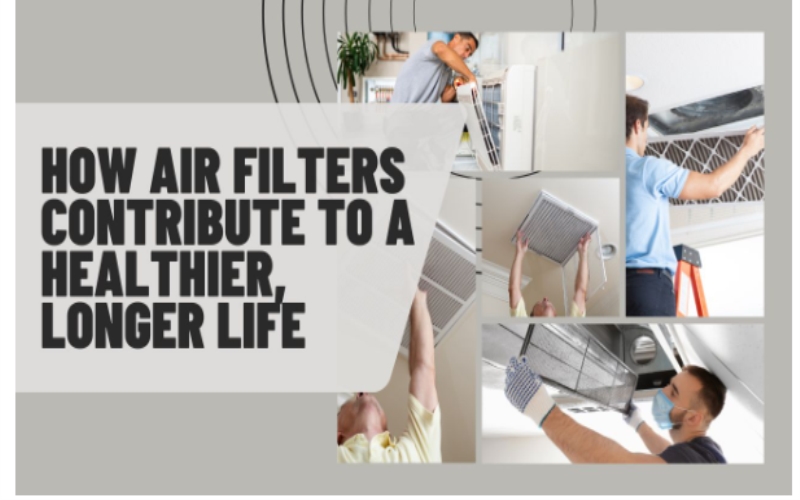
A lot of us think that the key to living longer and in better health is caused by eating well, moving regularly, and contacting the doctor frequently. On the other hand, the quality of the air we breathe is a significant but often overlooked influence. A longer lifespan and excellent health are dependent on a cleaner environment. 16x20x1 air filters are typical filters that meet this requirement. This essay will cover the advantages of air filters for living a longer, healthier life as well as the significance of choosing the right one.
Why Air Quality is Important for Your Health
Our health may be affected when aerosols that include dust, pollen, pet dander, and others collect in our homes. Air problems with quality can make respiratory conditions worse, such as allergies and asthma. Breathing becomes safer when air filters remove these dangerous particles from the air. Better and healthier lifestyles are linked to fewer illnesses brought on by air pollution.
How Air Filters Work
The purpose of air filters is to collect airborne particles as the air flows past them. They vary in types, sizes, and efficiency levels. A common size that works with a lot of HVAC systems in homes and businesses is 16x20x1.
Key Features of Air Filters:
- Filter Media: This layer is known as the filter media because it contains the particles in the filter. Pleated, fiberglass, and high-efficiency (HEPA) filters are a few of the most well-known types. Compared to other filter types, pleated filters are larger and may thus collect more dust and allergens. Although they may be effective, HEPA filters may not always be made in the conventional 16x20x1 size. Nevertheless, they are adept at capturing tiny particles.
- MERV Rating: The capacity of the filter to remove particles of different sizes is indicated by the Minimum Efficiency Reporting Value (MERV) rating. Better filtering is gained as the MERV rating rises. MERV 8 to 12-rated filters are the ones that are advised if you are a normal homeowner who doesn’t care about cleaning your air ducts. Additionally, they are quite good at capturing allergies and dust.
- Airflow: A filter should be able to meet this condition to catch particles without impeding the flow of air. An excessively thick filter may decrease airflow, requiring the system to work harder to provide the same airflow. You’ll incur more costs as a result.
Health Benefits of Using Air Filters
1. Better Breathing
Your ability to breathe better is one of the key advantages of using air filters. Dust, pollen, and pet dander are three typical causes of asthma and allergies that are captured by filters such as the 16x20x1 air filter. Air filters aid in symptom relief and respiratory health improvement by lowering the allergens in the air. This holds particular significance for individuals suffering from asthma or other persistent respiratory conditions.
2. Fewer allergies
Moreover, air filters might lessen the symptoms of allergies. Allergy responses can be brought on by pollutants such as dust mites, mold spores, and pollen. High-MERV-rated filters work well at trapping certain allergens. Examples of these filters are 16x20x1. A more pleasant living environment and fewer allergy flare-ups are the results of cleaner air.
3. Lower Risk of Serious Health Problems
Prolonged exposure to low-quality air can cause major health problems like lung cancer and heart disease. By eliminating dangerous particles from the air, air filters assist in lowering the danger. Particularly effective in removing tiny particles that may result in long-term health issues are HEPA filters. Air filters assist in shielding you against these grave health dangers by enhancing the quality of the air.
4. More Comfortable Living
Your house is more pleasant with cleaner air. Air filters help keep your home cleaner and lessen the amount of dust that collects on surfaces and furniture by decreasing dust and other particles. Less cleaning and a cozier home are the results of this. You’ll feel and sleep better overall if your house is cleaner and more comfortable.
How to Choose the Right Air Filter
Choosing the Air Filter Size is important for getting the best results. Here are some tips:
- Size: Be sure that the air filter you choose can be used in your particular HVAC system. There are common sizes, including 16x20x1, but the size of the air filter you order should be determined by your system size.
- MERV Rating: If you want to deal with dust and allergens efficiently, then it would be wise to select a MERV ranging between 8 and 12. As the number of ratings increases, the filtration is subsequently improved, but at the cost of air flow. Make a balance between filtration and air flow.
- Filter Media: Decide on the type of filter that you require. This makes icored filters rather popular for many homes, while pleated filters have the highest filtration technology, HEPA.
- Maintenance: Regenerate or wash them according to the instructions of the manufacturer, as it is needed for the better performance of this device. When the filter is full, the air circulated in the house is also poor in quality, and your HVAC system is not as effective as it should be. It is very important to service your filter so that it continues to function in the right manner.
Conclusion
Air filters, like the 16x20x1 air filter, are necessary to raise the quality of the air in your home. By removing dust, allergens, and other pollutants from the air, air filters improve living conditions, reduce the likelihood of major health issues, and diminish allergy symptoms. A cleaner, cozier house promotes a longer, healthier life. Selecting the appropriate filter and maintaining it may help achieve this. A small but crucial step toward improved health and wellbeing is purchasing high-quality air filters.


