


Factors to Consider When Packaging Custom Pins

Custom pins, ranging from enamel to metal, have become increasingly popular in various industries, from fashion to corporate branding. However, beyond their design and craftsmanship, the packaging plays a crucial role in enhancing their appeal and protecting their integrity. Here, we explore the diverse aspects of packaging for different types of custom pins, considering factors from aesthetics to sustainability.
Understanding Pin Packaging
Packaging for custom pins serves multiple purposes beyond mere protection. It acts as a presentation element, influencing the initial perception and value of the pin. Understanding the role of packaging is essential in creating a cohesive brand experience.
Elegance in Packaging
The packaging of custom pins often reflects the brand’s image and the pin’s design. Elegance in packaging involves choosing materials and design elements that complement the pin’s aesthetics, enhancing its perceived value and appeal.
Quirkiness in Packaging
Some custom pins cater to niche markets that appreciate unconventional designs. Packaging can mirror this quirkiness through innovative shapes, colors, or interactive elements, creating a memorable unboxing experience.
Factors Influencing Packaging
Several factors influence the choice of packaging for custom pins, including the target audience, brand identity, and the pin’s intended use. Understanding these influences helps in designing packaging that resonates with the audience.
Material Choices
The choice of packaging materials varies widely, from eco-friendly options like recycled cardboard to luxurious materials such as velvet-lined boxes. Each material choice impacts the perceived quality and environmental footprint of the packaging.
Protective Features
Ensuring the safety of custom pins during transit and storage is paramount. Protective features such as foam inserts, secure closures, and durable outer layers safeguard pins from damage and maintain their pristine condition.
Display Considerations
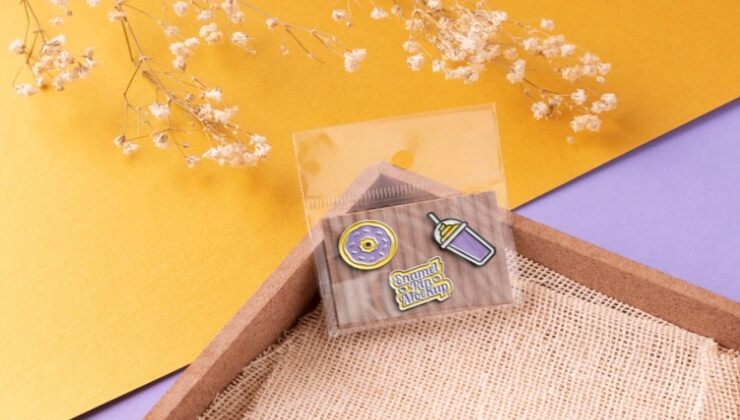
Packaging should facilitate the display of custom pins, whether in retail settings or personal collections. Transparent windows, easel backs, or hanging options enable pins to be showcased effectively while still protected.
Practicality vs. Aesthetics
Balancing practicality with aesthetics is crucial in packaging design. While the packaging must be functional in protecting the pins, it should also enhance their visual appeal and align with the brand’s design ethos.
Cost Considerations
Custom Pin packaging costs can vary significantly depending on materials, design complexity, and production volume. For instance, custom body pillow also requires careful consideration in packaging to ensure it is both cost-effective and appealing. Finding a balance between cost-effectiveness and perceived value is essential for maximizing ROI and customer satisfaction.
Customization Options
Custom pins often represent unique designs or messages. Similarly, packaging can be customized to reflect these specifics, such as printing logos, embossing designs, or incorporating personalized messages, enhancing brand identity.
Challenges in Packaging
Designing effective packaging for custom pins presents challenges such as finding sustainable materials, ensuring compatibility with automated packaging processes, and maintaining consistency across different production batches.
Packaging as Branding
Packaging serves as a tangible representation of a brand’s values and identity. Consistent branding through packaging design reinforces brand recognition and fosters a strong connection with customers.
Transparency in Packaging
Incorporating transparent materials, like clear windows or eco-friendly plastics, can build trust with consumers by allowing them to see the product before purchase. Honest packaging that clearly communicates the product’s features and benefits can enhance customer satisfaction and loyalty.
Interactive Packaging
Interactive packaging adds a layer of engagement that can delight customers. Elements such as pull tabs, pop-up features, or augmented reality (AR) integrations can transform the unboxing experience, making it more memorable and shareable on social media platforms.
Multi-Use Packaging
Designing packaging that serves multiple purposes can appeal to eco-conscious consumers. For example, packaging that can be repurposed as a decorative item, storage box, or even part of the product itself encourages sustainability and adds perceived value.
Thematic Packaging
Custom pin packaging can be tailored to align with specific seasons, holidays, or events. This thematic approach can boost sales by making the packaging more relevant and appealing during certain times of the year, such as Christmas, Halloween, or other special occasions.
Functional Packaging
Packaging that offers additional functionality beyond its primary purpose can enhance user experience. For instance, packaging that doubles as a display stand or storage solution adds value and encourages customers to keep and use the packaging.
Sustainable Solutions
Increasingly, brands are opting for sustainable packaging solutions to minimize environmental impact. This includes using biodegradable materials, reducing excess packaging, and adopting recycling initiatives.
Future Trends
The future of pin packaging may see advancements in smart packaging technologies, such as NFC tags for interactive experiences or biodegradable materials becoming more mainstream. Innovations will likely continue to focus on enhancing both functionality and sustainability.
Conclusion
Packaging for custom pins is more than just protective casing; it is a strategic tool for enhancing brand perception, ensuring product integrity, and delivering a memorable customer experience. By carefully considering factors such as materials, aesthetics, and sustainability, brands can create packaging that not only protects but also elevates the value and appeal of their custom pins in a competitive market landscape magazinpapers.


