


City of Parks and Gardens: What to See in Hanover?
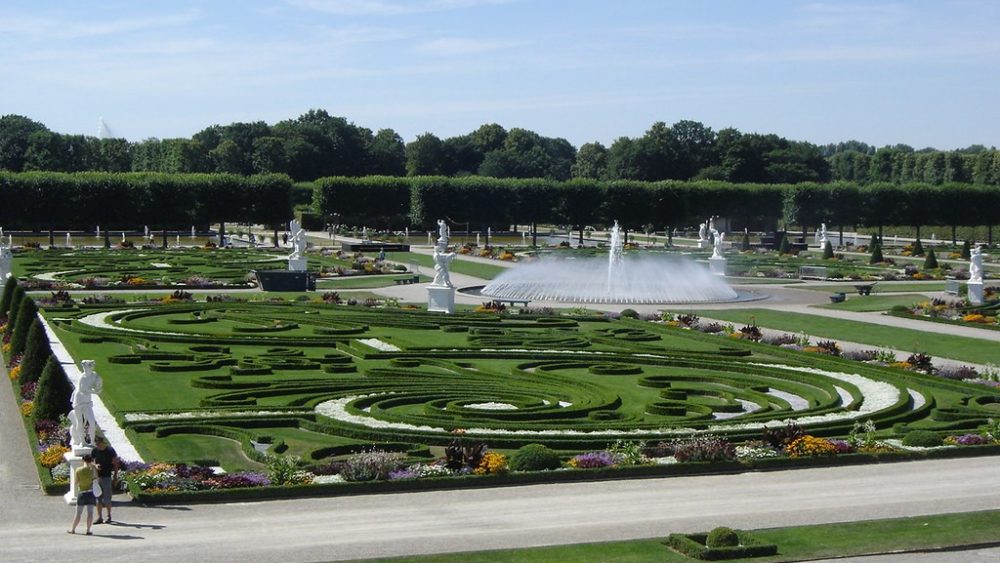
Welcome to Hanover. The capital of Lower Saxony is a university city with a thriving economy that formerly housed an Imperial Electorate. The royal line, the House of Hanover, offered this city magnificent buildings like the Herrenhäuser Gardens as well as three kings for the United Kingdom. The main, however, historical draw of Hanover is still its patchwork of regal parks and palaces.
Hanover’s extensive parks and gardens back its claim to be “the city in the country,” and they also make it a great place to tour on foot. Take a stroll along the Mittelland Canal’s banks, the largest man-made waterway in the nation, which is connected to many of the city’s key tourist attractions in the Old Town (Altstadt) and Kröpcke center square districts by a number of walkways.
But before we talk about Hanover in more detail, let’s begin with a very useful tip before traveling to this beautiful and unique German city. If you are flying to Hanover, then you have obviously already booked your airplane tickets. Now for the useful part. Consider booking Hannover airport taxi service to travel from the Hannover airport to the city center in the most comfortable and enjoyable way and at the best rates. So, keep that in mind!
So, since we have established that, let’s explore Hanover!
Herrenhäuser Gardens
A series of gardens from the time of the Imperial Electors and Kings of Hanover are Hannover’s pride. The Great Garden, designed in the 17th century by Electress Sophia of Hanover in the Baroque French style, is the pièce de résistance. The 50-hectare park is enhanced with statues, fountains, a box-hedge maze, an orangery, and delicate broderies and is fronted by a palace.
If there are any music lovers among you, know this and book an AtoB airport transfer to come here. In addition to staging plays and musical performances in the summer, Sophia’s Garden Theatre also serves as a magnificent setting for classical concerts.
The palace was nearly destroyed during the war and has just recently been rebuilt. Finally, three exhibition spaces for the Hanover Historical Museum have been housed there since 2013. There, you can learn about the creation of the gardens and all the notable figures you may encounter in the various forms of art.
Berggarten
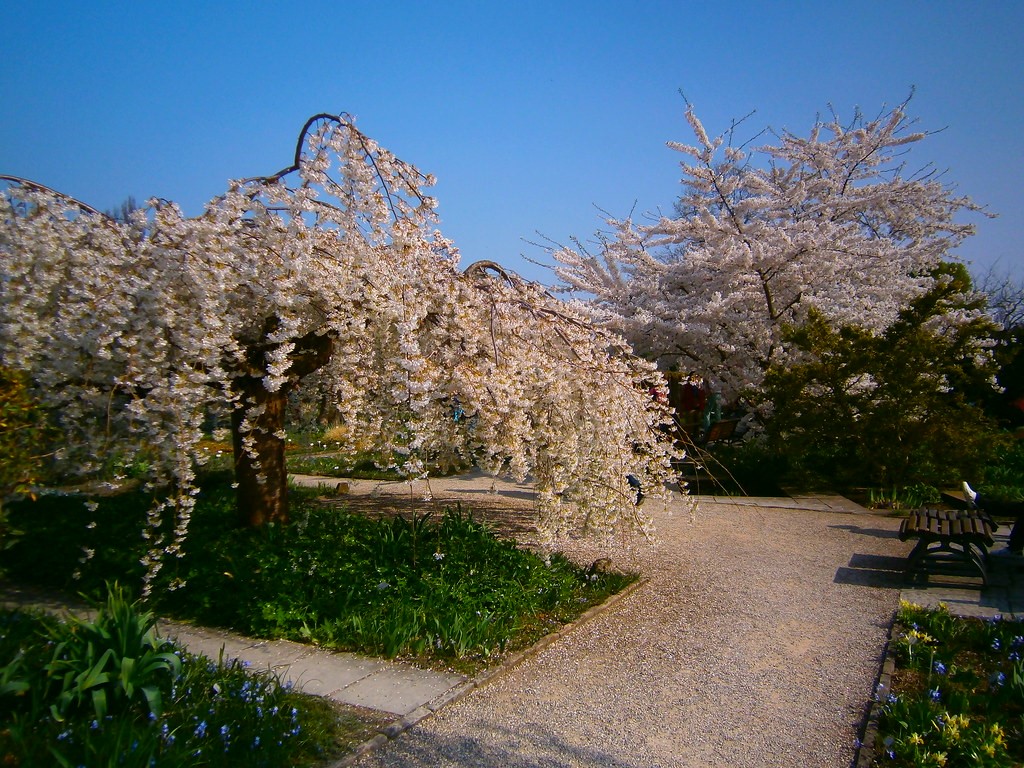
The Berggarten (Mountain Garden), is another of the Herrenhäuser Gardens, that you need to visit separately. The Berggarten was originally intended to serve as the palace’s herb and “culinary garden”, but Electress Sophia chose it as a location to cultivate rare or exotic plants. Additionally, a historic greenhouse that supported crops like tobacco and mulberry trees was constructed in the park around 1686, so there’s a lot of history here.
Today, Berggarten houses more than 20,000 plants from more than 3,000 different species, therefore, you could easily say that it is one of the top botanical gardens in the world. You should book an AtoB airport transfer and come to this place. Inside there are different greenhouses based on the different growth needs that each type of plant requires. There is one greenhouse for tropical plants, one for cactuses, and one for the subtropical flora of the Canary Islands.
And for the end, the primary attraction. The Orchid House. As the name suggests it is Europe’s largest orchid collection with 800 plants from 300 different species.
Lower Saxony State Museum
Do you like fine arts? Archaeology? Natural history maybe? Or ethnology? Well, you have all four here. And especially if you enjoy seeing works of famous artists, know this: Albrecht Dürer, Rubens, and Rembrandt are among the artists whose works are shown in the Renaissance and Baroque galleries. There is also a fine collection of 19th-century works by Romantics like Caspar David Friedrich and Impressionists like Max Liebermann.
After arriving here using an airport taxi, you’ll see jewelry from the Bronze Age, and mummified human remains from the moorlands of Lower Saxony in archaeology. Finally, In the natural history section, there are dinosaur models and an aquarium, while in the ethnology section, there are almost 20,000 traditional works of art that have been gathered from Oceania, Africa, America, and Asia.
Old Town Hall (Altes Rathaus)

This is Hanover’s oldest secular structure, which was first constructed on Marktplatz at the beginning of the 15th century. This monument is the southernmost specimen of the Northern German Brick Gothic architectural style and is easily recognized by its intricate gables. You can easily get here by Hannover airport taxi.
One one hand, its newest section is the west side, on Köbelinger Straße, where the Town Hall’s pharmacy had stood, which was updated with a Neo-Romanesque design in the 19th century. On the other hand, the oldest section is on the east side, on Schmiedestraße.
The Schmiedestraße facade features coats of arms, pictures of Electors and princes, as well as a representation of the traditional game of “Luderziehen,” which is similar to tug-of-war but is played with linked fingers rather than rope.
And there you have it! This is your guide of what you must see during your stay in this city of parks and gardens. So much history, so much entertainment, so little time. So, as always, plan your journey accordingly and you’ll manage to see it all!