


Choosing the Right Mettler Thread for Your Sewing Projects: A Beginner’s Guide
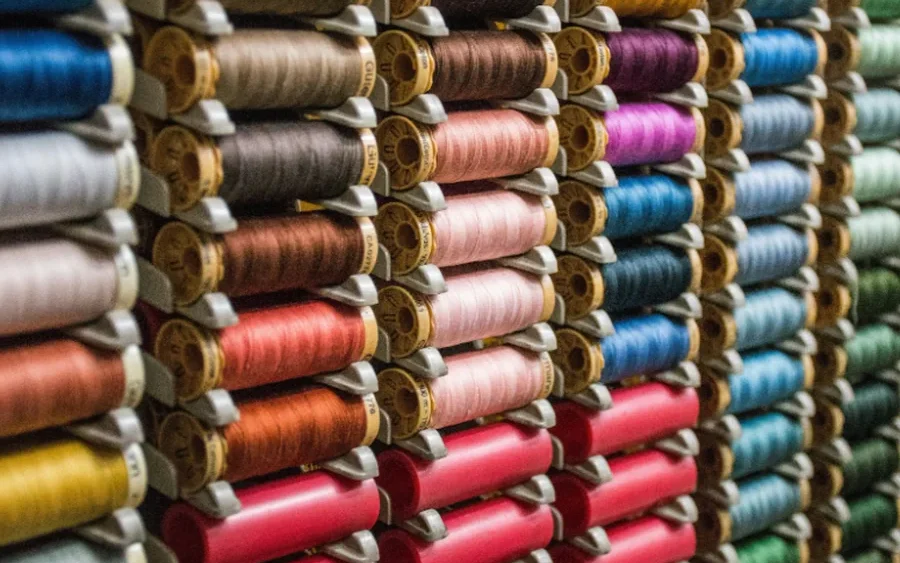
When embarking on a new sewing project, the quality and type of thread you choose can be just as critical as your fabric selection. Mettler offers an extensive range of high-quality threads that can enhance the durability and aesthetic of your work. From understanding the different types of Mettler thread available to choosing the right color and weight, there’s a lot to consider. Below, we’ll provide a comprehensive guide to help beginners make informed decisions about which Mettler thread to use for their sewing endeavors.
Understanding Mettler Thread Varieties for Optimal Sewing Success
Mettler thread is renowned for its high standards of quality and versatility, which is why it’s a favorite among sewing enthusiasts. From 100% cotton to synthetic polyester options, each variety of Mettler thread has unique properties that lend themselves to different sewing tasks. Cotton threads are ideal for quilting and work well with natural fabric, while the strength of polyester threads makes them suitable for sewing projects that require resilience.
Specialty threads, such as silk or metallic, can add an exceptional touch to decorative sewing. Silk threads, in particular, offer a natural sheen and are strong enough for both machine and hand sewing. Metallic threads, on the other hand, provide a sparkle perfect for embroidery and festive creations, although they can be trickier to work with due to their textured surface.
The choice of thread should also consider the sewing technique involved. For example, a finer thread is typically desirable for detailed and delicate sewing techniques, such as appliqué or topstitching, while stronger, thicker threads are suited for construction seams. Understanding the characteristics of each thread type helps in achieving the desired effect and quality in your project.
Matching Mettler Thread to Your Fabric Type
One key to successful sewing is matching your thread to the fabric type you are using. Natural fibers such as cotton or linen pair well with cotton thread, allowing for a uniform look and feel. For synthetic fabrics like polyester or nylon, a polyester thread is often recommended, as its properties mirror those of the fabric, leading to better resilience and stretch compatibility.
For heavier or more textured fabrics, such as denim or canvas, consider using a stronger thread to handle the additional stress of sewing through such materials. In contrast, delicate fabrics like silk or lightweight cottons require a finer thread to prevent puncturing the fabric unnecessarily and to ensure a subtle seam finish.
Tips for Choosing the Right Mettler Thread Color
Choosing the correct thread color can make a significant difference in the professional appearance of your project. A common practice is to select a thread color that closely matches the dominant color of your fabric. This ensures that your stitches blend in and don’t stand out in an undesirable way, particularly important for internal seams or when topstitching isn’t a design feature.
For more creative and visible stitching, such as in decorative quilting, choose a contrasting thread color that complements the fabric. This will help your stitching become a standout design element. When working with multi-colored fabric, try to pick a thread color that works well with all the hues, or opt for a neutral color like beige, grey, or navy, which can beautifully tie together disparate colors.
Maintaining Your Mettler Threads: Storage and Handling Best Practices
Properly storing and handling your Mettler threads can extend their lifespan and maintain their quality. Keep threads away from direct sunlight to prevent fading and degradation of the fibers. It’s most beneficial to store thread in a cool, dry place, free from humidity that can cause mold growth or weaken the fibers over time.
Avoid leaving your threads on the sewing machine when not in use, as the tension can stress the thread and lead to deterioration. Instead, neatly organize them in a thread box or on a rack where they won’t get tangled or dusty. This organization not only preserves your threads but also makes selecting the correct color and weight easier when starting a new project.
Overall, equipping yourself with the right Mettler thread for your fabric choice, understanding the significance of thread weight and finish, selecting the ideal color, and maintaining your thread responsibly will lead to success in all your sewing endeavors. Quality threads are the backbone of any well-executed project, and taking the time to choose wisely will always reflect in the durability and beauty of your finished pieces.