


Ski Smarter, Not Harder: Essential Tips for Every Skier
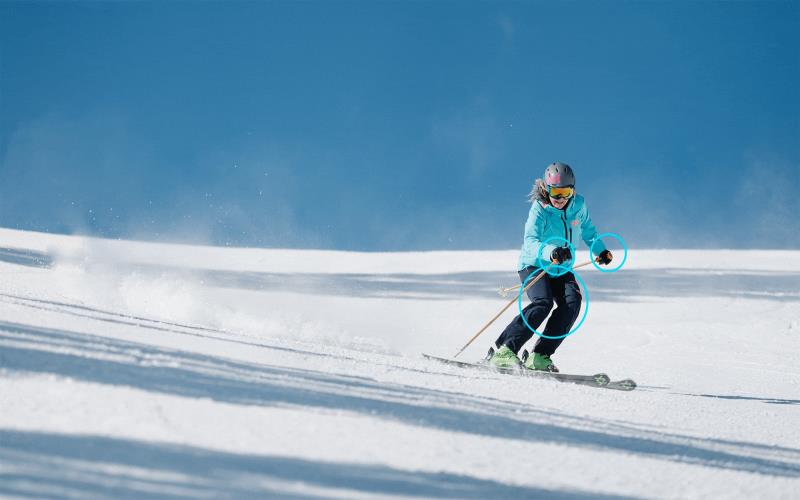
Skiing is a thrilling sport that offers a unique combination of speed, skill, and adventure. Whether you’re gliding down your first slope or perfecting advanced techniques, skiing smartly rather than just working harder can significantly enhance your experience on the mountain. Here are some essential tips to help every skier, from beginners to seasoned pros, ski smarter, not harder.
1. Choose the Right Gear
The foundation of smart skiing starts with having the right equipment. Ensure your ski boots, skis, and poles are suited to your skill level, style, and the terrain you’ll be tackling. Properly fitted boots are crucial; they should be snug but comfortable, with no significant gaps or pressure points. Skis should match your height, weight, and skiing style—shorter skis for maneuverability and longer ones for stability at higher speeds. Don’t forget to check your bindings regularly to ensure they are correctly adjusted for your safety.
2. Invest in Quality Lessons
One of the best ways to ski smarter is to invest in professional lessons. Even experienced skiers can benefit from the insights of a skilled instructor who can identify and correct technique flaws. Lessons can also introduce you to advanced skills, such as carving, mogul skiing, and off-piste techniques, which can help you handle various conditions more efficiently.
3. Prioritize Proper Warm-Up and Stretching
Skiing is physically demanding, so warming up and stretching before hitting the slopes is essential. A good warm-up increases blood flow to your muscles, enhancing flexibility and reducing the risk of injury. Focus on exercises that target your legs, hips, and core. Stretching after skiing can help with recovery and prevent stiffness, keeping you comfortable and agile for your next run.
4. Master the Basic Techniques
Before diving into advanced maneuvers, ensure you have a strong grasp of basic skiing techniques. Work on your stance, balance, and turns. Maintaining a proper stance with your knees slightly bent and weight-centered will help you stay stable and in control. Mastering the snowplow and parallel turns will set a solid foundation for more complex skills.
5. Learn to Read the Snow and Terrain
Understanding how different types of snow and terrain affect skiing is crucial for skiing smarter. Powder, ice, and groomed runs all require different techniques. For example, skiing in powder involves keeping your weight centered and making larger, more deliberate turns, while ice demands a cautious approach with precise edge control. Always assess the terrain and adjust your technique accordingly.
6. Use Proper Skiing Techniques
Efficient skiing techniques can make a big difference in how much effort you need to exert. Focus on smooth, controlled movements rather than aggressive, forceful ones. Utilize edge control to carve turns instead of skidding. Learn to use your poles effectively for balance and rhythm. Proper technique not only enhances your performance but also reduces fatigue and the risk of injury.
7. Stay Hydrated and Nourished
Skiing is physically demanding, and staying hydrated and properly nourished is essential for maintaining energy levels and concentration. Drink plenty of water throughout the day, and snack on energy-boosting foods like fruits, nuts, and granola bars. Avoid heavy, greasy foods that can slow you down and make you feel sluggish.
8. Take Breaks and Listen to Your Body
Overexertion can lead to fatigue, which negatively impacts your skiing performance and increases the risk of injury. Take regular breaks to rest and assess how you’re feeling. If you’re tired, sore, or feeling unsteady, it’s better to take a break and recharge rather than pushing through and risking an accident.
9. Practice Safe Skiing
Safety should always be a top priority. Adhere to the rules of the mountain, respect other skiers, and be aware of your surroundings. Follow posted signs and warnings, and be cautious of changing weather conditions that can affect visibility and snow quality. Always ski within your ability level and avoid risky behaviors that could lead to accidents.
10. Maintain and Tune Your Gear
Regular maintenance and tuning of your gear can significantly impact your skiing experience. Keep your skis sharp and well-edged for better control and handling. Check your bindings regularly to ensure they are functioning correctly. Proper care of your equipment helps prevent accidents and ensures optimal performance.
Conclusion
Skiing smarter, not harder, means combining the right gear, refined techniques, good health, and safety practices. Whether you’re gliding through Nordic Valley or tackling other slopes, applying these essential tips will boost your skiing experience, minimize fatigue, and let you enjoy the thrill of the mountains with increased confidence and skill. Equip yourself, stay focused, and hit the slopes knowing you’re making the most of your skiing. Enjoy your time on the mountain!