

Understanding Different Types of Baby Monitors
Choosing the right baby monitor can significantly enhance the peace of mind for parents. With advancements in technology, baby monitors have evolved from simple audio devices to sophisticated systems with video and movement tracking. Understanding the different types of baby monitors available can help you make an informed decision that suits your family’s needs. This guide will walk you through the various types of baby monitors, their unique features, and key considerations to keep in mind when selecting the perfect monitor for your home. From audio-only options to high-tech video monitors with night vision, there’s a wide range of products designed to ensure your baby’s safety and your peace of mind. Let’s dive into the world of baby monitors and explore which type is best for you.
What Are the Different Types of Baby Monitors?
Baby monitors come in various types, each with its own set of features designed to cater to different needs. The main categories include audio, video, and movement monitors. Understanding the differences between these types can help you choose the right one for your family.
Audio Baby Monitors
Audio baby monitors are the most basic type, focusing solely on transmitting sound from the baby’s room to the parent unit. They are easy to use and typically more affordable than other types. These monitors allow parents to hear their baby’s cries and coos, providing a reliable way to monitor their baby from another room. Some audio monitors also feature sound-activated lights that visually alert you to your baby’s cries, even when the volume is turned down. Despite their simplicity, audio monitors remain a popular choice for many parents due to their reliability and ease of use.
Video Baby Monitors
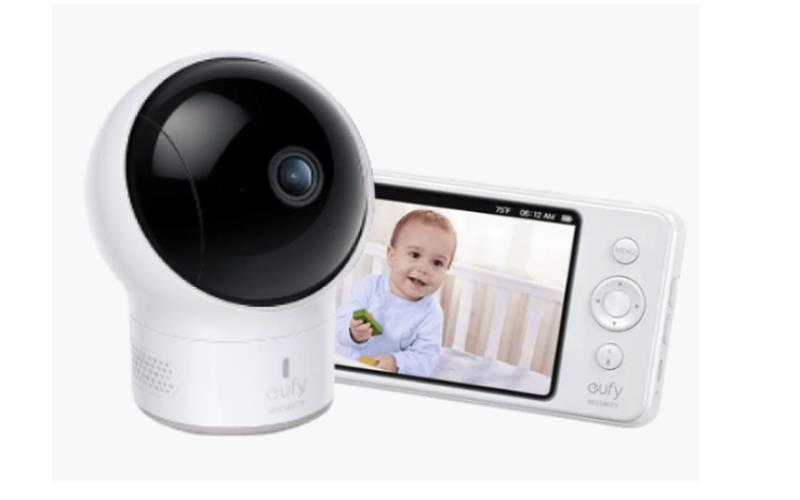
Video baby monitors take monitoring to the next level by providing both audio and visual feedback. These monitors come with a camera that is placed in the baby’s room, transmitting live video to a handheld unit or a smartphone app. Modern video monitors offer features like high-definition video, zoom, pan, and tilt functions, and night vision capabilities. This allows parents to see their baby clearly, even in low-light conditions. Video monitors offer peace of mind by allowing parents to visually check on their baby without entering the room, which can be especially useful during nap times or at night.
Movement Baby Monitors
Movement baby monitors are designed to detect your baby’s movements and alert you if no movement is detected for a certain period. These monitors typically include a sensor pad placed under the baby’s mattress or wearable sensors. Movement monitors provide an additional layer of security, especially for parents concerned about Sudden Infant Death Syndrome (SIDS). By tracking movements such as breathing, these monitors can alert parents to potential issues, offering reassurance and peace of mind. While they may be more expensive and complex to set up, the added security they provide can be invaluable for many families.
How Do Video Baby Monitors Enhance Safety?
Video baby monitors enhance safety by offering visual monitoring capabilities that audio monitors cannot provide. These devices allow parents to see and hear their baby, ensuring comprehensive monitoring.
Features of Modern Video Baby Monitors
Modern video baby monitors come equipped with various features that enhance their functionality. High-definition video ensures clear and detailed images, allowing parents to see their baby’s expressions and movements accurately. Remote access features enable parents to view the video feed from their smartphone or tablet, even when they are not at home. Additionally, some monitors offer recording functions, allowing parents to capture precious moments or review footage if they missed something. These advanced features make video monitors a versatile and valuable tool for ensuring your baby’s safety.
Night Vision and Pan/Tilt Functions
Night vision and pan/tilt functions are crucial for effective monitoring, especially during nighttime or nap times. Night vision technology allows the camera to capture clear images in low-light conditions, ensuring that parents can see their baby even in the dark. Pan and tilt functions enable the camera to move remotely, providing a comprehensive view of the room. These features ensure that parents can monitor their baby’s activities and surroundings at all times, offering peace of mind and enhancing the overall safety of the baby monitor system.
Two-Way Communication

Two-way communication is a valuable feature found in many modern video baby monitors. This function allows parents to speak to their baby through the monitor, providing comfort and reassurance without needing to enter the room. It can be particularly useful for soothing a fussy baby or giving gentle reminders to an older child. The ability to communicate remotely adds an extra layer of convenience and interaction, making the baby monitor a more versatile tool for parenting. Two-way communication enhances the overall utility of the baby monitor, ensuring that parents can stay connected with their baby at all times.
What Should You Consider When Choosing a Baby Monitor?
When choosing a baby monitor, several factors should be taken into account to ensure you select the best device for your needs.
Range and Signal Strength
The range and signal strength of a baby monitor are critical factors to consider, especially if you live in a large house or plan to use the monitor in different areas. A monitor with a strong signal and extended range ensures that you can stay connected with your baby from any part of your home. Some monitors also offer features like DECT technology to minimize interference from other electronic devices, ensuring a clear and reliable connection. Evaluating the range and signal strength can help you choose a monitor that provides consistent and uninterrupted monitoring.
Battery Life and Portability
Battery life and portability are essential considerations, particularly for parents who are often on the go. A monitor with long battery life ensures that it can function throughout the day and night without frequent recharging. Portable monitors that are lightweight and easy to carry allow parents to move around the house or travel with ease. Some monitors also come with rechargeable batteries or docking stations, adding convenience to their use. Assessing the battery life and portability of a monitor can help you select a device that fits seamlessly into your daily routine.
Price and Additional Features
Price is a significant factor when choosing a baby monitor, but it’s important to balance cost with the features you need. Additional features like temperature sensors, lullabies, and app connectivity can enhance the functionality of the monitor but may also increase the price. Evaluating which features are essential and which are optional can help you make a cost-effective decision. Consider reading reviews and comparing products within your budget to find a monitor that offers the best value for your money. This approach ensures that you invest in a baby monitor that meets your needs without overspending.
Conclusion
In conclusion, selecting the right baby monitor involves understanding the different types available and their specific features. Whether you opt for an audio, video, or movement monitor, each type offers unique benefits that can enhance your baby’s safety and your peace of mind. By considering factors such as range, battery life, and additional features, you can choose a baby monitor that best fits your lifestyle and needs. As technology continues to advance, baby monitors are becoming more sophisticated, providing parents with reliable tools to keep their little ones safe. Explore the options, evaluate your requirements, and choose the baby monitor that offers the perfect balance of functionality and convenience for your family.