

Top Tips for Planning a Major Home Renovation Project
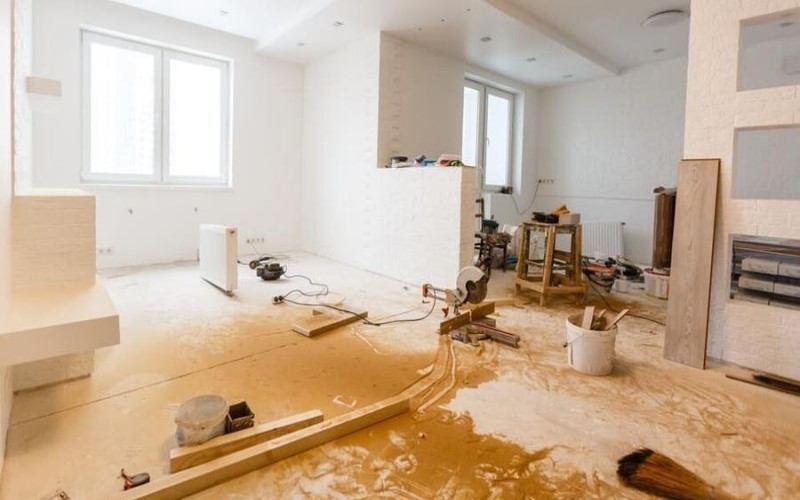
Planning a major home renovation project can be both exciting and daunting. Whether you want to update your kitchen, expand your living space, or enhance your home’s overall functionality, a well-organized plan is crucial for success. Renovations can quickly become overwhelming without proper planning, leading to unexpected costs, delays, and stress. For those managing projects from a distance, such as a College Station office, clear communication and coordination are key to achieving the desired results. We will explore essential tips for planning a major home renovation project, from setting a realistic budget and timeline to selecting the right team and managing the renovation process. By following these guidelines, you can achieve a successful and satisfying renovation that enhances the comfort and value of your home.
Establishing a Realistic Budget
Knowing Your Financial Limits
Establishing a realistic budget is one of the most critical steps in planning a major home renovation project. Begin by determining how much you are willing and able to spend on the renovation. Consider consulting with a financial advisor to assess your current financial situation and ensure your budget aligns with your long-term goals. When setting your budget, be sure to account for all potential expenses, including materials, labor, permits, and unexpected costs that may arise during the project. Setting aside a contingency fund, typically 10-20% of the total budget, is also wise to cover unforeseen expenses. By establishing a realistic budget from the outset, you can avoid financial strain and ensure your renovation project stays on track.
Defining Your Goals and Priorities
Identifying What Matters Most
Before diving into a renovation project, clearly defining your goals and priorities is important. Consider what you hope to achieve with the renovation and how it will improve your home’s functionality and aesthetic appeal. Are you looking to create more space, enhance energy efficiency, or update outdated features? Make a list of your must-haves and nice-to-haves, prioritizing the elements that are most important to you. Understanding your goals and priorities will help guide your decision-making throughout the renovation and ensure the project aligns with your vision. It will also help you communicate your needs effectively to contractors and designers, ensuring everyone involved in the project is on the same page.
Creating a Detailed Timeline
Planning for Success
A well-defined timeline is essential for keeping your renovation project on track and minimizing disruptions. Start by outlining each renovation phase, from initial planning and design to construction and final touches. Consider factors such as the availability of materials, contractor schedules, and potential weather delays. Be realistic about the required time for each phase and build some flexibility to accommodate unforeseen challenges. Communicate your timeline with all parties involved, including contractors, designers, and suppliers, to ensure everyone is aligned and prepared. Creating a detailed timeline allows you to stay organized, manage expectations, and avoid unnecessary delays.
Hiring the Right Team
Choosing Qualified Professionals
Selecting the right team is crucial for the success of your renovation project. Begin by researching and interviewing potential contractors, architects, and designers, asking for references, and reviewing their portfolios to assess their previous work. Choose professionals who have experience with similar projects and who demonstrate strong communication and problem-solving skills. It’s also important to establish a clear contract outlining the scope of work, payment terms, and project timeline to ensure everyone is on the same page. A well-coordinated team will help ensure your renovation project runs smoothly and meets your expectations.
Managing the Renovation Process
Staying Involved and Informed
It’s important to stay actively involved and informed throughout the renovation process. Regularly communicate with your team to receive updates on progress, address any concerns, and make timely decisions. Attend site meetings and inspections to ensure the work aligns with your vision and quality standards. Be prepared to adjust as needed, and be flexible in your approach as unforeseen challenges may arise. By staying engaged and proactive, you can help ensure your renovation project stays on track and meets your expectations.
Navigating Permits and Regulations
Understanding Legal Requirements
Navigating permits and regulations is essential to planning a major home renovation project. Depending on the scope of your renovation, you may need to obtain permits from local authorities to ensure compliance with building codes and zoning regulations. Research the specific requirements for your project and factor in the time and cost associated with obtaining permits. Work closely with your contractor and architect to secure all necessary permits before construction begins. Understanding and adhering to legal requirements will help prevent delays and potential fines, ensuring a smooth and successful renovation process.
Conclusion
Planning a major home renovation project requires careful consideration and organization. By establishing a realistic budget, defining your goals and priorities, creating a detailed timeline, hiring the right team, managing the renovation process, and navigating permits and regulations, you can set yourself up for success. A well-planned renovation can enhance your home’s comfort, functionality, and value. Following these tips and staying proactive throughout the process can achieve a satisfying and successful renovation that aligns with your vision and meets your needs.