

Tooling Systems Used in CNC Machining Centers
CNC machining centers rely on a wide range of tooling systems to perform precise cutting, drilling, boring, and finishing operations. These systems help transform raw materials into components that meet strict dimensional and quality requirements. The effectiveness of a machining center often depends on selecting the right tools for the job. Different tooling systems are designed to handle specific machining tasks while supporting productivity and accuracy.
Advances in tooling technology have also contributed to faster machining speeds and improved consistency. Understanding the most common tooling systems used in CNC machining centers can provide valuable insight into modern manufacturing processes. Below are several important tooling systems frequently found in machining environments.
Tool Holders
Tool holders serve as the connection between the machine spindle and the cutting tool. Their primary purpose is to securely position tools while minimizing vibration during machining operations. Various styles are available, including CAT and HSK tool holders, each designed for different machine configurations and performance requirements. Proper tool holding helps maintain cutting accuracy and surface finish quality.
Many manufacturers select tool holders based on spindle compatibility and balancing characteristics. Modern designs also support quick tool changes, helping reduce machine downtime. As a result, tool holders play an important role in maintaining stable and efficient machining processes.
End Mills
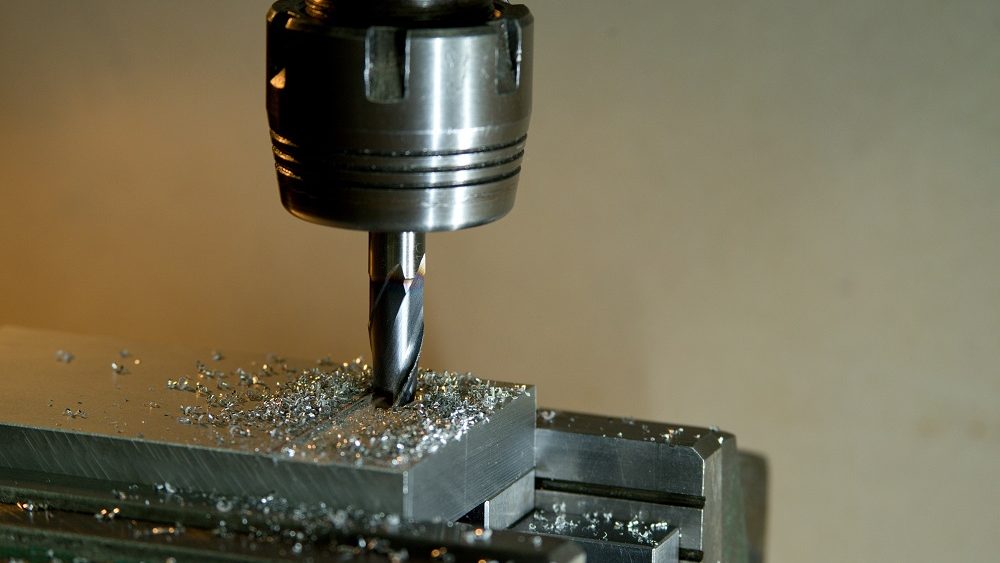
End mills are among the most commonly used cutting tools in CNC machining centers. They are capable of performing operations such as slotting, profiling, contouring, and pocket milling. Available in multiple geometries and materials, end mills can be selected according to the workpiece material and machining objectives. Their cutting edges allow for both axial and radial material removal. Different coatings may be applied to improve wear resistance and extend tool life. The versatility of end mills makes them suitable for a wide range of manufacturing applications. They remain an essential component of many CNC machining operations.
Drill Tooling Systems
Drilling tools are used to create holes with consistent diameter and depth specifications. CNC machining centers often utilize specialized drill holders and tooling systems designed for precise positioning. Modern drilling solutions can support high-speed operations while maintaining dimensional accuracy. Many drills incorporate advanced geometries that improve chip evacuation and reduce cutting forces. Coolant delivery systems are often integrated to help manage heat during drilling processes. The proper selection of drilling tools can significantly influence hole quality and production efficiency. These tooling systems are widely used across industries that require reliable hole-making capabilities.
Tungsten Carbide Tools
Tungsten carbide cutting tools are widely used in CNC machining centers because of their hardness and resistance to wear. These tools can maintain performance under demanding machining conditions and elevated temperatures. Manufacturers use carbide tooling for applications involving cast iron and other challenging materials. The material's durability often allows for higher cutting speeds compared to traditional high-speed steel tools.
Various insert designs and cutting geometries are available to match specific machining requirements. Companies involved in producing carbide metal products, including Federal Carbide Company, reflect the broad industrial use of carbide-based materials. As machining demands continue to evolve, tungsten carbide remains a key material in modern tooling systems.
Boring and Facing Heads
Boring and facing heads are specialized tooling systems used to enlarge existing holes and machine flat surfaces with high precision. These tools are frequently employed when tight tolerances and accurate dimensional control are required. Adjustable mechanisms allow operators to make fine radial adjustments for precise machining results.
Some manufacturing environments utilize advanced solutions such as Koma Precision boring and facing heads as part of their machining operations. Boring and facing heads are commonly used in industries where precise hole finishing is critical. Their ability to perform both boring and facing functions provides flexibility within a single tool setup. This versatility makes them valuable additions to many CNC machining centers.
Indexable Insert Tooling
Indexable insert tooling uses replaceable cutting inserts mounted onto tool bodies. This design allows worn cutting edges to be replaced without changing the entire tool assembly. Manufacturers can choose from a wide variety of insert grades and geometries for different machining applications. The system helps reduce tooling costs while maintaining productivity.
Indexable tooling is commonly used for milling and boring operations. Quick insert replacement also minimizes machine downtime during production runs. These advantages have made indexable tooling a standard solution in many machining facilities.
Tool Presetting Systems
Tool presetting systems help ensure cutting tools are accurately measured and configured before being loaded into a CNC machining center. By verifying key dimensions such as tool length and diameter ahead of time, these systems improve setup accuracy and support more consistent machining results.
They also allow operators to identify potential issues before production begins, improving overall process reliability. This proactive step helps reduce setup errors and prevents unexpected downtime during machining operations. It also minimizes material waste by ensuring tools are correctly prepared from the start. With fewer disruptions and more accurate setups, manufacturers can maintain steadier and more efficient production output.
Beyond improving accuracy, tool presetting systems can streamline machine setups and shorten changeover times. The result is a more efficient workflow and better overall productivity in modern CNC machining operations.
Conclusion
Overall, tooling systems play a critical role in the performance, precision, and efficiency of CNC machining centers. From tool holders and cutting tools to advanced presetting systems, each component contributes to smoother operations and higher-quality output. As manufacturing demands continue to evolve, the integration of reliable and advanced tooling solutions becomes even more important. Investing in the right tooling systems ultimately leads to improved accuracy, reduced downtime, and more consistent production results.