The Nose Knows: What That Musty Smell Is Actually Telling You About Your Home

You walk into your house and notice it right away. The smell is faint but persistent, something like damp cardboard or old books left in a basement. At first, you might open a window or light a candle and hope it fades. But when the odor keeps coming back, it usually means something deeper is going on.
Our sense of smell often picks up problems long before our eyes do. A musty scent inside a home is rarely random. It often signals excess moisture hiding somewhere behind walls, under floors, or inside insulation. While the smell may seem harmless at first, it can be an early warning sign of bigger issues.
Recognizing Where the Musty Smell Begins
Musty odors almost always trace back to moisture. Water may enter the home through a small roof leak, a cracked pipe, or poor ventilation. Once moisture settles into building materials, it creates the perfect environment for mold and mildew to grow. These tiny organisms produce the stale smell people often notice first.
Basements and bathrooms are common trouble spots. These areas tend to stay humid, especially in older homes or houses with limited airflow. Even a slow drip behind a wall can keep materials damp for weeks. Over time, the smell spreads through vents and hallways until it becomes noticeable throughout the house.
Understanding How Moisture Hides in Plain Sight
One of the tricky things about moisture problems is how easily they stay hidden. Water does not always leave visible puddles or stains. Sometimes it soaks into drywall, wood, or carpet padding where it slowly builds up over time. By the time the smell appears, the dampness may have been there for weeks.
Humidity inside the home can make the situation worse. Warm air holds moisture, and when that air cools near walls or windows, tiny droplets can form. This process is called condensation, which simply means water forming from humid air. Over time, that moisture feeds mold growth and strengthens the musty smell.
Noticing the Subtle Signs Around the House
A musty smell is rarely the only clue. You might notice peeling paint, warped baseboards, or dark spots forming on walls. Carpets may feel slightly damp or cool underfoot. These changes often appear slowly, which makes them easy to ignore at first.
Another sign is an increase in allergy symptoms indoors. Mold spores, which are tiny particles released by mold, can irritate the nose and throat. People sometimes mistake this for seasonal allergies. When symptoms improve outside the home, indoor moisture may be the hidden cause.
Addressing Water Damage the Right Way
When moisture problems go unchecked, they can affect both comfort and structure. Wood framing may weaken, and mold can spread into hidden corners. That is why early action matters. Removing moisture quickly prevents the damage from spreading further into walls and flooring.
In some cases, homeowners turn to professional help such as Dry Kings Restoration when the source of water damage is difficult to find. Specialists use tools that detect moisture behind surfaces without tearing everything apart. Once the problem area is identified, the focus shifts to drying and restoring the affected materials.
Preventing Musty Smells From Returning
Keeping moisture under control is the best defense against recurring odors. Good ventilation plays a big role, especially in bathrooms, kitchens, and laundry rooms. Exhaust fans help move humid air outside before it settles on surfaces. Dehumidifiers can also reduce moisture levels in damp spaces like basements.
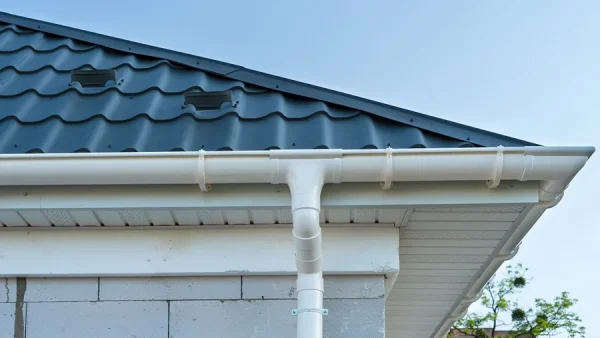
Routine home maintenance also helps prevent hidden water issues. Checking gutters, inspecting plumbing connections, and sealing small roof leaks can stop water from entering in the first place. These simple steps protect both the structure of the home and the air quality inside it. Over time, they help keep the indoor environment fresh and comfortable.
Conclusion
A musty smell inside your home is more than a minor annoyance. It is often the nose’s way of alerting you to hidden moisture and potential mold growth. While the odor may start out subtle, ignoring it can allow damage to spread quietly over time.
Listening to those early signals can save homeowners from larger repairs later. By identifying the source of moisture and addressing it quickly, you protect both the structure of the house and the health of the people living in it. Sometimes the nose really does know best when it comes to what is happening inside your home.