

The Future of Interior Design Rendering: Innovations and Trends
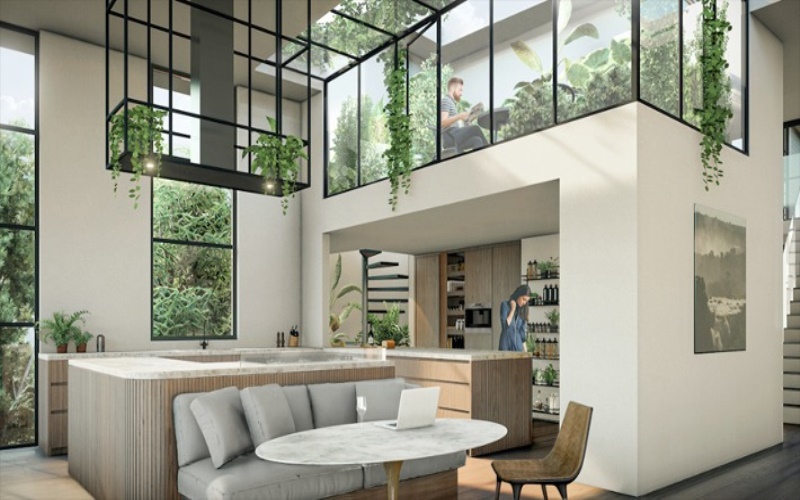
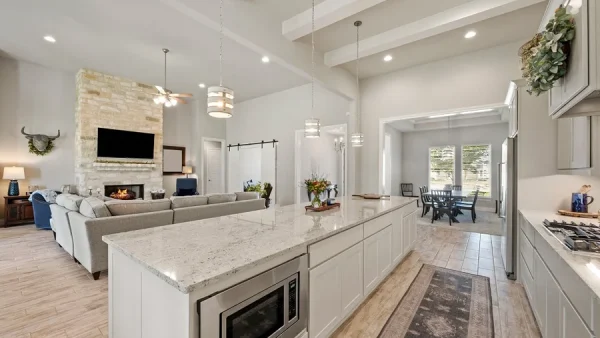
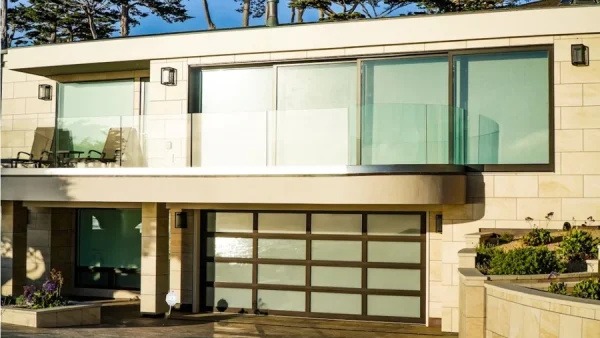
The field of interior design rendering has undergone significant transformation over the past few years, driven by technological advancements and changing client expectations. As interior designers strive to create more immersive and realistic visualizations, interior design rendering services are evolving to meet these demands. This article explores the future of interior design rendering, highlighting key innovations and emerging trends that are set to shape the industry.
Real-Time Rendering
One of the most significant advancements in interior design rendering is real-time rendering technology. This innovation allows designers to create and manipulate high-quality renderings instantly, providing immediate feedback and adjustments. Real-time rendering is revolutionizing the way designers work, offering several key benefits:
- Faster Turnaround: Real-time rendering drastically reduces the time needed to produce high-quality visuals, allowing designers to iterate quickly and efficiently.
- Interactive Presentations: Clients can interact with the design in real-time, exploring different angles, lighting conditions, and materials, leading to better engagement and understanding.
- Improved Collaboration: Real-time updates facilitate smoother collaboration between designers, clients, and other stakeholders, ensuring that everyone is on the same page throughout the design process.
Virtual Reality (VR) and Augmented Reality (AR)
Virtual Reality (VR) and Augmented Reality (AR) are transforming the way interior designs are presented and experienced. These immersive technologies offer a more engaging and realistic way for clients to visualize and interact with design concepts:
- Virtual Walkthroughs: VR allows clients to take virtual tours of proposed spaces, providing a sense of scale and depth that traditional renderings cannot match.
- Enhanced Client Experience: AR enables clients to overlay design elements onto their physical environment using smartphones or AR glasses, helping them visualize how new designs will fit into their existing spaces.
- Better Decision Making: Immersive experiences help clients make more informed decisions by providing a clearer understanding of the design, reducing the likelihood of costly changes later in the project.
Artificial Intelligence (AI) and Machine Learning
AI and machine learning are beginning to play a pivotal role in interior design rendering services. These technologies are enhancing the rendering process in several ways:
- Automated Design Suggestions: AI can analyze client preferences and historical data to suggest design elements and layouts that are likely to be well-received.
- Improved Rendering Quality: Machine learning algorithms can enhance rendering quality by optimizing lighting, textures, and materials to create more photorealistic images.
- Time Savings: AI can automate repetitive tasks, such as generating multiple design options or refining details, allowing designers to focus on more creative aspects of the project.
Photorealistic Rendering
The demand for photorealistic rendering continues to grow as clients expect high-quality visuals that closely mimic real-life environments. Innovations in rendering software and hardware are making it easier to achieve photorealistic results:
- Advanced Lighting Techniques: Techniques such as global illumination, ray tracing, and physically-based rendering (PBR) create highly realistic lighting effects, shadows, and reflections.
- High-Resolution Textures: Enhanced texture mapping and materials libraries provide designers with access to high-resolution, realistic textures that add depth and authenticity to renderings.
- Detail and Accuracy: Improved algorithms and processing power allow for greater detail and accuracy in renderings, making it easier to depict intricate design elements and finishes.
Sustainable and Green Design
As sustainability becomes a crucial consideration in interior design, rendering services are adapting to reflect this trend. Designers are using renderings to highlight sustainable features and materials in their projects:
- Visualization of Eco-Friendly Materials: Renderings can showcase the use of sustainable materials, such as reclaimed wood, recycled metal, and low-VOC paints, helping clients see the environmental benefits of their choices.
- Energy Efficiency Simulations: Advanced rendering tools can simulate natural light and energy usage, helping designers create energy-efficient spaces that reduce environmental impact.
- Promoting Sustainable Practices: Renderings can be used to educate clients about sustainable design practices and the long-term benefits of green building solutions.
Cloud-Based Rendering
Cloud-based rendering is gaining popularity due to its convenience and efficiency. This approach leverages powerful remote servers to handle the intensive computational tasks associated with rendering:
- Scalability: Cloud-based rendering allows designers to scale their rendering capabilities as needed, accommodating large projects and tight deadlines without investing in expensive hardware.
- Collaboration: Cloud platforms enable seamless collaboration among team members, regardless of their location, by providing access to shared resources and real-time updates.
- Cost-Effectiveness: By outsourcing rendering tasks to the cloud, designers can reduce overhead costs associated with maintaining and upgrading rendering hardware.
Integration with BIM (Building Information Modeling)
The integration of interior design rendering services with Building Information Modeling (BIM) is streamlining the design and construction process:
- Comprehensive Visualization: BIM models contain detailed information about building elements and systems, allowing for more accurate and comprehensive renderings.
- Improved Coordination: Integrating renderings with BIM facilitates better coordination between architects, engineers, and interior designers, reducing conflicts and ensuring a cohesive design.
- Enhanced Project Management: BIM-integrated renderings provide a clear visual representation of the project timeline and progress, aiding in project management and decision-making.
Personalization and Customization
Clients are increasingly seeking personalized and customized design solutions. Interior design rendering services are adapting to meet this demand by offering:
- Tailored Design Options: Advanced rendering tools allow designers to create multiple design variations quickly, providing clients with a range of personalized options to choose from.
- Client-Specific Visuals: Renderings can be customized to reflect the client’s style, preferences, and needs, ensuring that the final design is truly unique and personalized.
- Interactive Design Platforms: Some rendering services offer interactive platforms where clients can make real-time adjustments to design elements, such as color schemes, furniture, and layouts.
Conclusion
The future of interior design rendering is bright, with numerous innovations and trends set to revolutionize the industry. Real-time rendering, VR and AR, AI and machine learning, photorealistic rendering, sustainable design, cloud-based rendering, BIM integration, and personalized design options are just a few of the advancements that are enhancing the way designers work and clients experience design concepts. As these technologies continue to evolve, interior design rendering services will become even more integral to creating engaging, realistic, and innovative spaces.