

Smart Ways to Protect and Extend the Life of Your Roof

Your roof is one of the most important parts of your home, protecting you from the elements and keeping your living space comfortable. Over time, however, exposure to sun, rain, wind, and snow can take a toll, leading to damage or wear if not properly maintained. Fortunately, there are several proactive steps you can take to ensure your roof remains in top shape for years to come.
Regular maintenance, careful inspections, and smart upgrades can prevent costly repairs and extend the life of your investment. In this post, we’ll explore some of the best strategies for protecting your roof. By following these tips, you can enjoy peace of mind knowing your home is well-protected. Let’s dive into practical ways to care for your roof.
1. Schedule Regular Roof Inspections
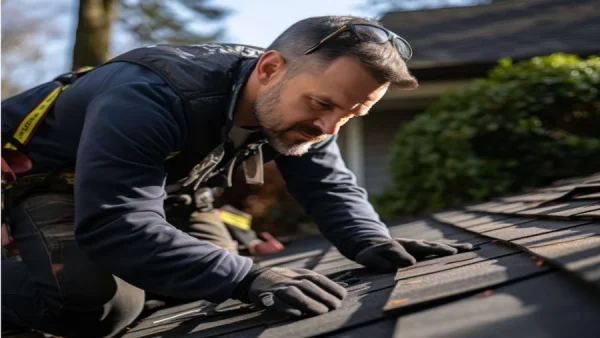
Routine inspections are essential for identifying small problems before they become major issues. Inspecting your roof at least twice a year, especially after harsh weather, helps detect loose shingles, cracks, or signs of water damage. If you notice moss, algae, or debris buildup, it’s a good indicator that your roof may need cleaning or minor repairs.
Hiring a professional to perform an inspection can provide a thorough assessment and expert recommendations. Even simple visual checks from the ground can help you spot sagging areas or visible wear. Documenting any changes or damage over time can make maintenance easier and more effective. Proactive inspections ultimately save you money and prevent unnecessary stress.
2. Keep Gutters Clean and Functional
Clogged gutters can cause water to pool on your roof, leading to leaks, rot, or structural damage. Removing leaves, twigs, and other debris regularly ensures proper water flow away from your home. Consider installing gutter guards or choosing higher-quality systems, such as k-guard gutters, which reduce clogging and minimize maintenance needs.
Properly functioning gutters also protect your foundation and landscaping from water damage. During heavy rain, check for overflowing sections to identify any areas that may require adjustments. Clean gutters improve the overall drainage system, keeping your roof and home safe. Maintaining your gutters is a simple but effective way to prolong your roof’s lifespan.
3. Trim Overhanging Tree Branches
Trees add beauty and shade to your property, but branches that hang over your roof can be risky. Falling branches during storms or high winds can damage shingles and other roofing materials. Overhanging limbs can also deposit leaves and debris that accumulate in gutters and on the roof itself. Regularly trimming branches keeps them a safe distance from your roof and reduces the risk of damage.
It also helps improve airflow around your home, which can prevent moisture buildup and moss growth. Be sure to use proper tools or hire a professional tree service for larger branches. Taking this step reduces hazards and keeps your roof looking and performing its best.
4. Address Repairs Promptly
Even minor issues, such as a missing shingle or small leak, can escalate if left unattended. Addressing repairs quickly prevents water damage, mold growth, and further structural problems. Using quality materials that match your existing roof ensures repairs blend seamlessly and remain durable. celebrity net worth
Keep a list of trusted roofing contractors or repair professionals to make the process smoother. Monitor repaired areas over time to confirm that the fix is effective. Avoiding procrastination can save you from costly, extensive renovations in the future. Prompt attention to repairs demonstrates proactive roof care and protection.
5. Remove Debris and Keep Roof Clean
Accumulated debris like leaves, pine needles, and dirt can trap moisture and lead to rot or moss growth. Regular cleaning helps maintain proper drainage and prevents damage to shingles and flashing. Avoid harsh chemicals or high-pressure washing that could strip protective coatings or damage materials.
Instead, use a soft-bristle broom or gentle leaf blower to clear debris safely. Inspect for moss or algae and treat with eco-friendly solutions if necessary. Keeping your roof clean not only preserves its function but also maintains its appearance. Simple, routine cleaning can significantly extend your roof’s life.
6. Check Attic Ventilation and Insulation
Proper attic ventilation and insulation are key factors in roof longevity. Poor ventilation can cause heat and moisture buildup, which may warp shingles and damage structural components. Adequate insulation helps regulate temperature, preventing ice dams in winter and excessive heat in summer. Inspect vents, fans, and insulation for signs of wear or blockage.
Improving airflow and insulation efficiency protects both the roof and your energy bills. Professional assessments can provide insights into any needed upgrades or repairs. Ensuring your attic environment is optimal is a subtle but powerful way to safeguard your roof.
7. Schedule Professional Maintenance Annually
While routine DIY checks are helpful, annual professional maintenance ensures a thorough evaluation of your roof’s condition. Experts can detect hidden issues, provide cleaning or treatment, and recommend preventive measures. Annual service also helps identify long-term patterns of wear that may need attention. Scheduling a regular maintenance plan can extend your roof’s life and maintain warranty coverage.
Professionals can also advise on upgrades, such as enhanced roofing materials or protective coatings. Investing in expert care is an investment in the safety and value of your home. By staying proactive, you avoid unexpected problems and costly repairs.
Conclusion
By following these strategies—inspecting your roof, cleaning and maintaining gutters, trimming trees, addressing repairs promptly, keeping your roof clean, ensuring proper attic ventilation, and scheduling professional maintenance—you can keep your roof in excellent condition for decades. A well-maintained roof not only protects your home but also enhances curb appeal and adds long-term value.