

Signs Your Water Heater Needs Repair or Replacement
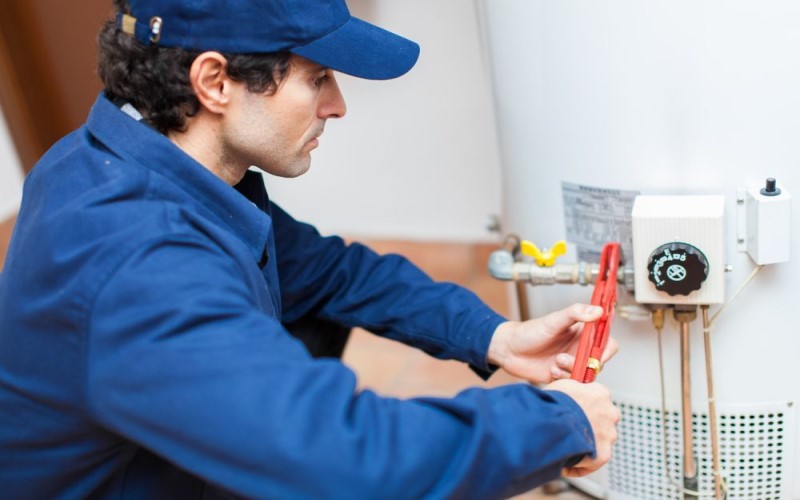
A functioning water heater from The Water Heater Company is essential for the comfort and convenience of any home, providing hot water for bathing, cooking, and cleaning. Over time, however, water heaters can develop issues that may affect their performance and efficiency. Recognizing the signs that your water heater needs repair or replacement is crucial for preventing further damage and ensuring a reliable hot water supply. We will explore the common indicators that your water heater may be failing, from unusual noises and leaks to inconsistent water temperatures and increased energy bills. By understanding these warning signs, you can take timely action to address potential problems and maintain the comfort and efficiency of your home.
Inconsistent Water Temperature
Fluctuating Heat Levels
One of the first signs that your water heater may need repair or replacement is inconsistent water temperature. If you notice that your hot water supply is fluctuating between hot and cold or that it takes longer than usual to heat up, this could indicate a problem with the heating element or thermostat. Over time, sediment can build up in the tank, insulating the heating elements and reducing their efficiency. This buildup can also cause the thermostat to malfunction, resulting in erratic temperature changes. Addressing these issues promptly can help restore the proper functioning of your water heater and ensure a consistent hot water supply.
Unusual Noises
Sounds That Signal Trouble
Unusual noises coming from your water heater can be a sign of underlying problems. If you hear popping, rumbling, or banging sounds, it may indicate the presence of sediment buildup in the tank. As the sediment settles, it can trap water beneath it, causing the water to overheat and create these noises as it turns to steam. Additionally, the expanding and contracting of metal components due to temperature changes can produce similar sounds. Regularly flushing your water heater can help remove sediment and prevent noise-related issues. However, persistent noises may require professional inspection and potential repair or replacement to avoid further damage.
Leaks and Moisture
Drips and Puddles
Leaks and moisture around your water heater are clear indicators of potential issues. Even small leaks can lead to significant water damage and increased utility bills if not addressed promptly. Leaks can occur due to corroded or loose connections, a faulty pressure relief valve, or cracks in the tank itself. Regularly inspecting your water heater for signs of moisture or pooling water can help you catch leaks early and prevent further complications. If you notice any leaks, it’s important to determine the source and address it immediately. In some cases, repairs may suffice, but if the tank is severely damaged or corroded, replacement may be necessary to ensure safety and efficiency.
Reduced Hot Water Supply
Running Out Too Soon
If you find that your household is consistently running out of hot water, it may be a sign that your water heater is not functioning properly. A reduced hot water supply can result from a variety of issues, including a malfunctioning thermostat, a faulty heating element, or an improperly sized tank. Over time, sediment buildup can also reduce the capacity of the tank, leading to a decrease in available hot water. Evaluating the age and capacity of your water heater, as well as considering any changes in your household’s hot water needs, can help determine whether repairs or a replacement are necessary to meet your hot water demands.
Discolored or Foul-Smelling Water
Signs of Contamination
Discolored or foul-smelling water is a warning sign that your water heater may need attention. Rusty or murky water can indicate corrosion within the tank or in the plumbing system. If you notice a metallic taste or odor, it may be a sign of deteriorating components or contamination from mineral deposits. Additionally, a sulfur-like smell can suggest bacterial growth inside the tank, particularly in areas with high sulfate levels in the water supply. Flushing the tank and cleaning the anode rod can help alleviate these issues, but persistent problems may necessitate professional inspection and potential replacement to ensure clean and safe water.
Increased Energy Bills
Rising Costs
An unexpected increase in energy bills can be a sign that your water heater is not operating efficiently. As water heaters age, they can lose efficiency due to sediment buildup, worn-out components, or outdated technology. This decreased efficiency can cause the unit to work harder to heat the water, resulting in higher energy consumption and increased utility costs. Regular maintenance, such as flushing the tank and checking the thermostat settings, can help improve efficiency. However, if your energy bills continue to rise despite maintenance efforts, it may be time to consider replacing your water heater with a more energy-efficient model to reduce costs and improve performance.
Conclusion
Recognizing the signs that your water heater needs repair or replacement is essential for maintaining a reliable and efficient hot water supply in your home. By being aware of issues such as inconsistent water temperatures, unusual noises, leaks, reduced hot water supply, discolored water, and increased energy bills, you can take proactive steps to address potential problems before they escalate. Regular maintenance and timely repairs can help extend the lifespan of your water heater, while replacement with a more efficient model may be necessary for long-term savings and improved performance. By staying vigilant and informed, you can ensure the comfort and efficiency of your home’s water heating system.