Modern House Design Ideas: Transforming Spaces with Style and Functionality
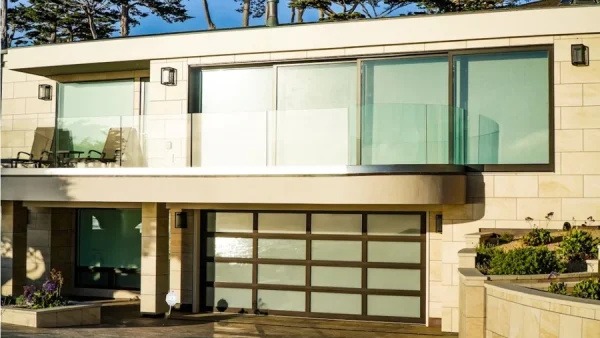
Modern house design is more than just an architectural style—it’s a philosophy that emphasizes simplicity, functionality, and a seamless connection between the interior and exterior. Today, homeowners are increasingly drawn to modern design for its clean lines, open spaces, and emphasis on natural light. Whether you are building a new home or renovating an existing one, incorporating modern design ideas can transform your living space into a comfortable, stylish, and highly functional environment. Here are some modern house design ideas to inspire your next project.
1. Open Floor Plans
One of the hallmarks of modern design is the open floor plan. Unlike traditional homes with compartmentalized rooms, modern layouts favor open spaces that integrate living, dining, and kitchen areas. This approach not only enhances natural light but also fosters a sense of community within the home. Using minimal partitions or glass walls can create distinct zones without disrupting the flow of space. Consider combining an open-plan kitchen with a living area, allowing for easier movement and better social interaction.
2. Minimalist Aesthetic
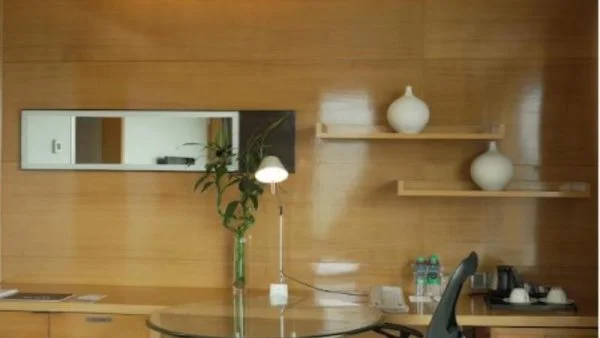
Modern design thrives on minimalism. Clean lines, uncluttered surfaces, and a neutral color palette help create a sense of calm and sophistication. Avoid excessive ornamentation or overly complicated textures. Instead, focus on high-quality materials and simple, functional furniture. Neutral tones such as whites, grays, and beiges can be accented with bold pieces of furniture or artwork to add personality without overwhelming the space. Minimalism in design is not just about aesthetics; it also promotes efficiency and easier maintenance.
3. Integration of Natural Light
Natural light is a key element in modern house design. Large windows, skylights, and glass doors not only enhance the aesthetic appeal but also improve the mood and well-being of residents. Floor-to-ceiling windows can create a strong connection with the outdoors, making interiors feel more expansive. Incorporating light wells or strategically placed reflective surfaces can further maximize natural illumination. Modern homes often blur the line between indoor and outdoor spaces, inviting the beauty of nature into daily life.
4. Sustainable and Smart Design
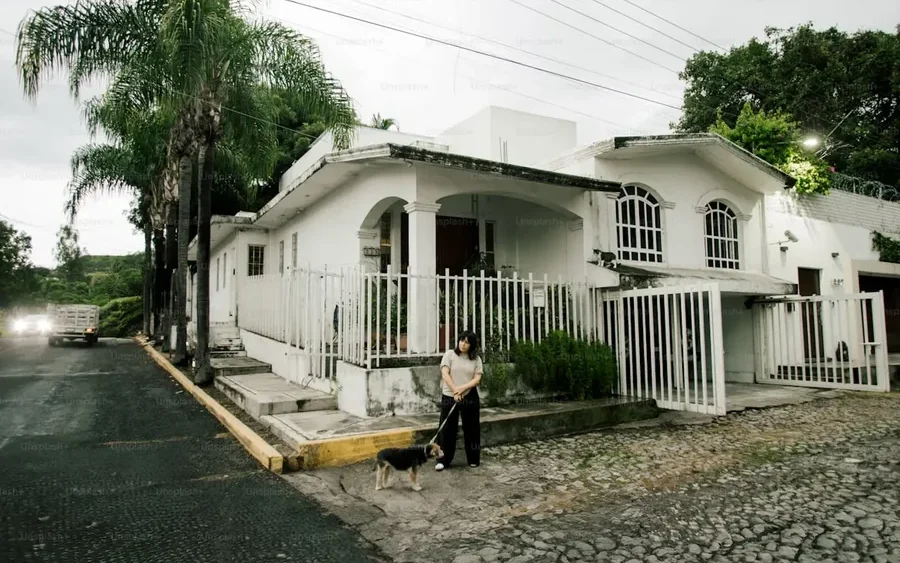
Sustainability is increasingly central to modern architecture. Eco-friendly materials, energy-efficient appliances, and passive design techniques can reduce environmental impact while lowering long-term utility costs. Consider installing solar panels, green roofs, or rainwater harvesting systems. Smart home technology can complement sustainable design by allowing homeowners to control lighting, heating, and security remotely. Just as a hardworking federation home builder carefully crafted homes with attention to detail and enduring quality, modern builders can combine traditional craftsmanship with contemporary sustainable practices. Combining sustainability with modern aesthetics ensures your home is both stylish and responsible.
5. Functional and Flexible Spaces
Modern homes prioritize functionality. Multi-purpose rooms, modular furniture, and adaptable layouts make it easy to adjust living spaces as needs change. For instance, a home office can double as a guest room, or a living area can transform into an entertainment space. Built-in storage solutions reduce clutter, while open shelving can display personal items without overwhelming the room. Flexibility is essential for modern living, especially in urban environments where space may be limited.
6. Use of Contemporary Materials
Modern architecture often features innovative materials that combine beauty with practicality. Concrete, steel, and glass are commonly used to create bold, geometric forms. Wood, stone, and natural fibers add warmth and texture, preventing the home from feeling cold or sterile. Consider mixing materials to create visual interest—for example, pairing sleek metal frames with natural wood finishes. The careful selection of materials can define the character of your home and elevate its overall aesthetic.
7. Statement Lighting
Lighting plays a crucial role in modern home design. Beyond illuminating spaces, it can serve as a design feature. Pendant lights, recessed lighting, and LED strips can highlight architectural details, create focal points, or establish mood. Combining ambient, task, and accent lighting ensures each area of your home is functional while maintaining a cohesive look. Modern lighting often doubles as art, blending form and function seamlessly.
8. Indoor-Outdoor Connection
A signature feature of modern homes is the integration of indoor and outdoor living. Sliding glass doors, expansive patios, and rooftop terraces encourage residents to engage with the surrounding environment. Landscaped gardens, water features, and outdoor seating areas extend the living space while enhancing the home’s aesthetic appeal. Creating a seamless flow between indoor and outdoor spaces not only improves functionality but also promotes relaxation and connection with nature.
9. Bold Architectural Statements
Modern house design often includes bold architectural elements that serve as focal points. Cantilevered sections, floating staircases, and asymmetrical layouts add drama and uniqueness. Large glass facades, geometric shapes, and open voids can make even small homes feel grand and airy. While these features are visually striking, they also serve practical purposes by optimizing light, ventilation, and space.
10. Personalization and Artful Touches
While modern design favors minimalism, personal touches ensure the home feels inviting and lived-in. Integrate artwork, sculptures, or curated decor to reflect your personality. Textures, textiles, and color accents can soften the starkness of modern interiors. By combining modern principles with elements that resonate personally, you create a home that is both stylish and authentically yours.
Conclusion
Modern house design is about balancing aesthetics, functionality, and sustainability. By embracing open floor plans, minimalist interiors, natural light, and contemporary materials, homeowners can create spaces that are elegant, practical, and adaptable. Smart technologies and sustainable features further enhance the modern lifestyle, while personalized touches ensure the home remains warm and welcoming. Just as federation home builders once combined craftsmanship with enduring design, today’s homeowners can draw inspiration from the past while embracing modern innovation. Whether you are constructing a new house or renovating an existing property, modern design offers endless possibilities to transform your living space into a harmonious blend of style, comfort, and innovation.