

Maintaining Your Bathtub After Installation: Tips for Longevity
Once you’ve installed a new bathtub, maintaining its appearance and functionality is crucial for ensuring its longevity and keeping it in pristine condition. Proper care can prevent premature wear and damage, allowing you to enjoy your investment for years. Regular maintenance practices, from cleaning routines to preventative measures, are essential in preserving your bathtub’s quality. We will explore effective strategies and tips to help you maintain your bathtub efficiently, avoiding common pitfalls that could lead to costly repairs or replacements.
Routine Cleaning Practices
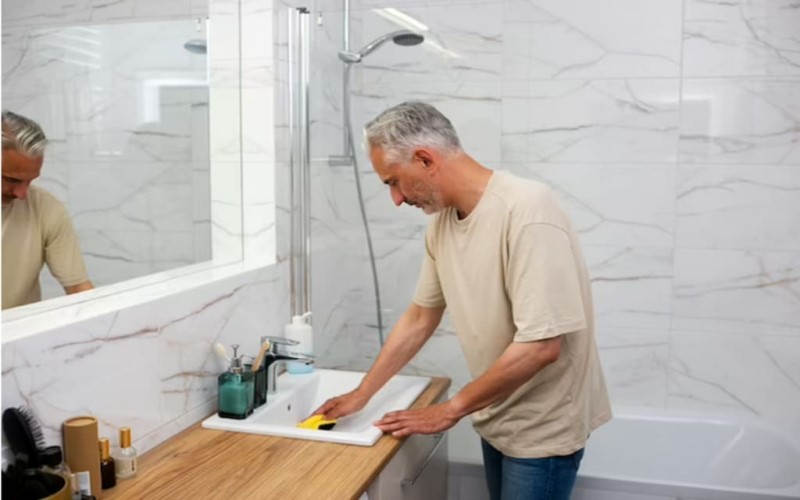
Regular cleaning is vital for maintaining the cleanliness and appearance of your bathtub. To begin with, it is recommended to use mild, non-abrasive cleaners specifically designed for the material of your bathtub. For instance, acrylic and fiberglass bathtubs should be cleaned with gentle, pH-balanced products to avoid damaging their surfaces. Harsh chemicals and abrasive scrubbing pads can scratch or discolor the bathtub, leading to long-term issues.
Remove any debris or hair from the drain and the bathtub surface to clean your bathtub. Use a soft cloth or sponge with a suitable cleaner to wipe down the entire surface. Avoid scouring pads or brushes with stiff bristles, as they can cause scratches. Consider a mixture of baking soda and water for tough stains, which can be gently applied to the stain and left to sit before rinsing. Regular cleaning helps prevent soap scum and mineral deposits from building up, which can lead to unsightly stains and potential damage.
Avoiding Common Damage
Preventing damage to your bathtub in Cincinnati involves being mindful of what you place and use in the tub. Heavy objects or sharp items should not be placed in the bathtub as they can cause cracks or chips in the surface. Additionally, avoid using bath oils or heavily perfumed products, as these can leave residues that are difficult to clean and may dull the finish over time.
Always follow the manufacturer’s instructions when using cleaning products to ensure they are safe for your bathtub’s material. For instance, acidic or alkaline cleaners can harm the finish of some bathtubs, particularly those made of sensitive materials like acrylic or enamel. Also, be cautious using bathtub mats or liners, which can trap moisture and lead to mold growth if not cleaned and dried correctly.
Addressing Leaks and Drips
Leaks and drips around your bathtub can lead to significant issues if not addressed promptly. Regularly check the caulking and grout around the bathtub to ensure they are intact and in good condition. Over time, caulking can deteriorate and may need to be replaced to prevent water from seeping behind the bathtub, which can cause damage to the wall and floor beneath.
To check for leaks, look for signs of water damage on the surrounding walls and floor. Any discoloration, mold, or dampness could indicate a leak. If you notice any issues, you must address them immediately to prevent further damage. Reapply caulk as necessary, ensuring the area is clean and dry before applying the new layer. This preventative measure helps maintain a watertight seal around the bathtub, protecting your bathroom from water damage.
Proper Drain Maintenance
Maintaining a clear and functional drain is crucial for preventing clogs and ensuring proper drainage in your bathtub. Regularly remove hair and debris from the drain cover to prevent build-up that can lead to blockages. A drain cover can help catch hair and other debris before they enter the drain, making it easier to maintain.
Avoid flushing large amounts of hair or soap residues down the drain to prevent clogs. Periodically, you can use a drain cleaner or a mixture of baking soda and vinegar to help keep the pipes clear. Pouring a pot of boiling water down the drain can also help dissolve any grease or soap scum that may be building up in the pipes. Always follow the manufacturer’s guidelines when using chemical drain cleaners to avoid damaging your plumbing.
Preventing Mold and Mildew
Mold and mildew are common issues in bathrooms due to the high moisture levels. To prevent mold growth around your bathtub, ensure proper ventilation in the bathroom. Use an exhaust fan or open a window during and after bathing to reduce humidity levels. Additionally, regularly inspect the bathtub and surrounding areas for any signs of mold or mildew and address them promptly.
If you spot mold or mildew, clean the affected areas with water, vinegar, or a mold-specific cleaner. Avoid using bleach, which can be harsh and damage the bathtub’s finish. After cleaning, thoroughly dry the area to prevent moisture from lingering. Keeping the bathroom well-ventilated and dry will help minimize the risk of mold and mildew growth.
Maintaining your bathtub after installation is essential for ensuring its longevity and preserving its appearance. You can keep your bathtub in excellent condition by implementing regular cleaning practices, avoiding common damage, addressing leaks promptly, maintaining proper drain function, and preventing mold and mildew. These practices enhance the bathtub’s aesthetic appeal and ensure that it remains a functional and enjoyable part of your bathroom. These tips will help you maintain your bathtub effectively and prevent potential issues, allowing you to enjoy its benefits for many years.