

How To Pay Off Your Home Loan Early
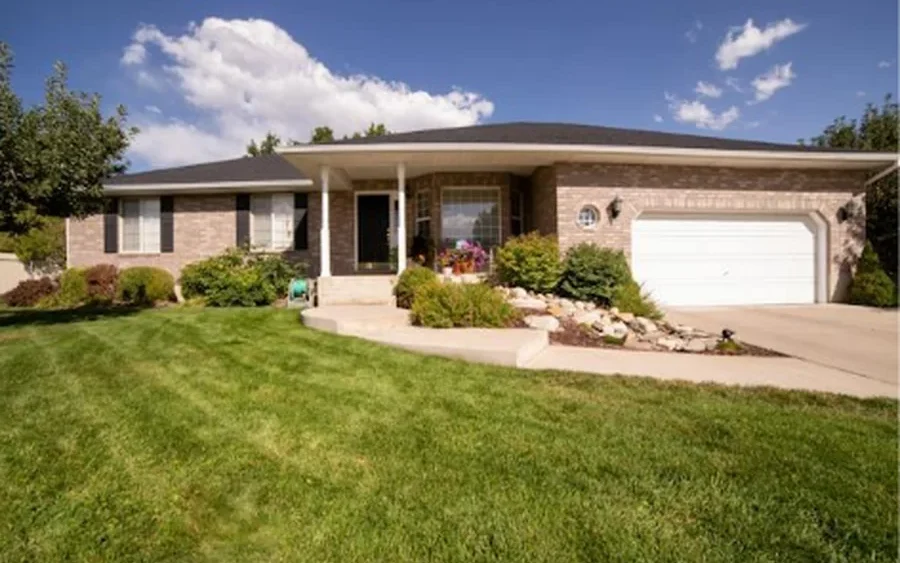
Owning a home is one of the biggest milestones you can achieve in life. But for many people, the dream of owning a house comes with the heavy weight of a mortgage that can last for 20 to 30 years. While making monthly payments is manageable, the thought of being in debt for decades can feel overwhelming. You might be wondering if there’s a way to become mortgage-free sooner. The good news is that there are simple and practical steps you can take to pay off your home loan early.
Know Your Mortgage Terms with a Home Loan Calculator
To start, you need to understand your loan. Many people sign their mortgage papers and never look at them again. But knowing the exact numbers—your interest rate, how much of each payment goes to interest, and your remaining balance—can help you build a smart repayment plan.
This is where a home loan calculator can come in handy. With just a few details, you can figure out how much money you’ll save by making extra payments. You can also see how even a small increase in your monthly payment can shorten your loan term by years. Once you understand the math behind your mortgage, it becomes easier to make decisions that help you pay it off faster.
Make Extra Payments When You Can
One of the easiest ways to reduce your mortgage is by making extra payments. You don’t have to double your payment—just sending a little more each month can make a big difference. For example, if your mortgage payment is $1,200 a month, try rounding it up to $1,300. That extra $100 will go straight to the principal, helping you cut down the total interest over time.
If you receive a bonus at work, a tax refund, or some extra cash from a side hustle, consider putting that money toward your loan. Even if you only do this once or twice a year, it still adds up. The more you reduce the principal, the less interest you’ll pay in the long run.
Switch to Biweekly Payments Instead of Monthly
Another helpful strategy is switching from monthly to biweekly payments. This means you’ll make half of your monthly payment every two weeks. By doing this, you end up making one extra full payment every year. Over time, this can shave off several years from your loan term and save you thousands of dollars in interest.
You don’t have to do this alone—many lenders offer a biweekly payment option. Just call your mortgage provider and ask if this is available. If it’s not, you can do it yourself by putting aside money every two weeks and sending in the extra payment at the end of the year.
Avoid Taking on New Debt
Paying off your mortgage early also depends on keeping your other expenses in check. If you’re constantly taking out new loans, opening credit cards, or financing big purchases, it becomes harder to stay focused on your mortgage goal. Before taking on new debt, ask yourself if it’s really worth delaying your mortgage freedom.
Living within your means and avoiding unnecessary debt can give you more room in your budget to make those extra payments. You don’t have to live on a strict budget, but being mindful of your spending helps you stay on track.