

How to Maximize Your Home’s Energy Efficiency With Better Roofing
Energy efficiency is one of the smartest investments a homeowner can make. It lowers utility bills, improves indoor comfort, and increases property value. While many people focus on insulation or windows, roofing is often overlooked—even though it plays a major role in how well your home conserves energy.
Let’s explore how better roofing can help maximize your home’s energy efficiency.
Choosing Energy-Efficient Roofing Materials
Your choice of roofing material directly affects how much heat your home absorbs or reflects. Traditional asphalt shingles are affordable and widely used, but they tend to trap heat, which can raise cooling costs in summer. Reflective shingles, clay tiles, and slate offer better thermal performance because they naturally deflect sunlight. Many modern roofing products also come with specialized coatings that reflect solar energy, reducing the amount of heat transferred indoors. By investing in materials designed for energy efficiency, homeowners can enjoy long-term savings while maintaining durability and style.
Energy-efficient materials also contribute to sustainability. For example, slate and clay tiles are natural products with long lifespans, reducing the need for frequent replacements. Reflective shingles are often manufactured with advanced technology that minimizes environmental impact. Choosing the right material is not just about aesthetics—it’s about creating a roof that works with your home to conserve energy every day.
Maximizing Efficiency With Metal Roofing
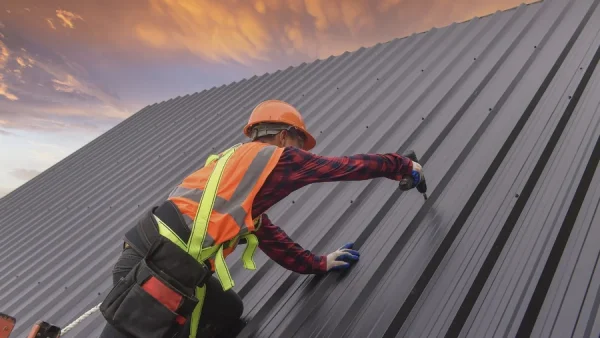
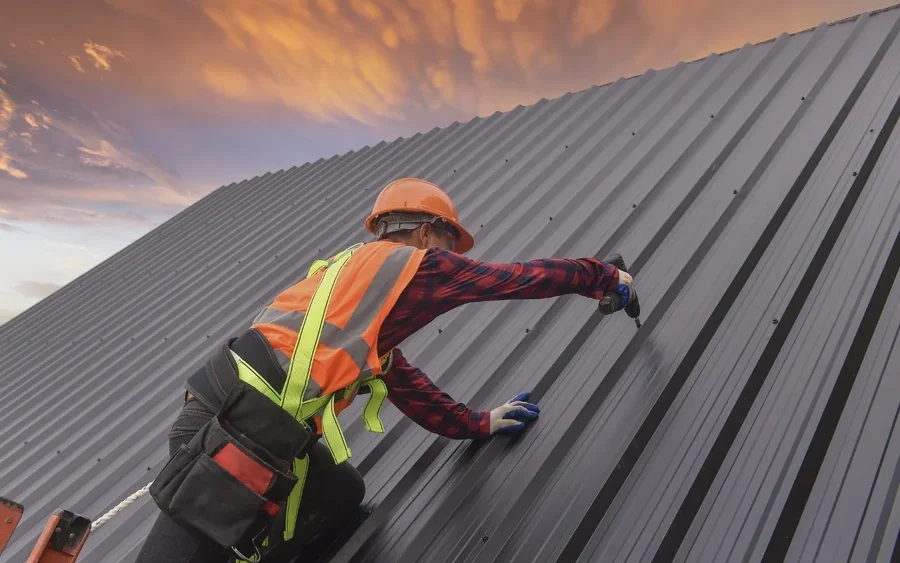
Metal roofing has become a top choice for homeowners who want both efficiency and longevity. Its reflective surface helps deflect solar radiation, keeping homes cooler during hot months. Unlike other materials, metal roofs can last 40 to 70 years with minimal maintenance, making them a cost-effective solution over time. They are also eco-friendly, often made from recycled materials, and recyclable at the end of their lifespan.
Professional metal roofing services ensure proper installation, which is critical for preventing gaps, leaks, and unnecessary heat transfer. When installed correctly, a metal roof can significantly reduce cooling costs and improve overall energy performance. Metal roofs also perform well in different climates, resisting wind, rain, and snow while maintaining their efficiency. For homeowners looking for a long-term solution that combines durability, sustainability, and energy savings, metal roofing is one of the most reliable options available today.
Improving Efficiency With Insulation and Ventilation
Even the best roofing material won’t perform well without proper insulation and ventilation. Insulation acts as a barrier, keeping warm air inside during winter and cool air inside during summer. Ventilation allows hot air to escape from the attic, reducing strain on air conditioning systems and preventing moisture buildup. A well-balanced combination of insulation and ventilation creates a stable indoor environment, lowers energy costs, and extends the life of the roof. Homeowners should consult experienced contractors to ensure their roofing system is optimized for both insulation and airflow.
Poor ventilation can lead to problems beyond energy loss. Moisture buildup in the attic can cause mold growth, wood rot, and structural damage. Over time, these issues compromise both the roof and the home’s overall integrity. By ensuring proper airflow, homeowners protect their investment while maintaining efficiency. Insulation and ventilation may not be visible features, but they are essential components of an energy-efficient roofing system.
Preserving Efficiency With Roof Repair and Maintenance
A damaged or poorly maintained roof can quickly become an energy drain. Cracks, leaks, and missing shingles allow air to escape and moisture to enter, undermining insulation and increasing utility bills. Timely repairs restore the roof’s integrity and prevent costly energy loss. Roof repair services offered by professionals, like Hoyt Roofs, provide homeowners with peace of mind by addressing issues before they escalate. Regular inspections and repairs not only improve efficiency but also protect the home from structural damage. A proper roof is one of the simplest yet most effective ways to keep energy costs under control.
Maintenance also extends the lifespan of the roof. Small issues, if ignored, can lead to major repairs or even premature replacement. By scheduling routine inspections, homeowners can catch problems early and avoid unnecessary expenses. Energy efficiency is not just about new technology—it’s also about keeping existing systems in good condition. A roof that is cared for properly will continue to perform well for years, saving money and energy in the process.
Enhancing Efficiency With Cool Roof Technology
Cool roofs are designed with special reflective coatings that minimize heat absorption. These coatings can be applied to various roofing materials, making them versatile for different home styles. By reflecting more sunlight and absorbing less heat, cool roofs reduce indoor temperatures and cut cooling costs significantly. They are particularly beneficial in warmer climates where air conditioning expenses are high. Investing in cool roof technology is a forward-thinking approach to energy efficiency that pays off in both comfort and savings. Homeowners who want to modernize their property while reducing energy consumption should consider this innovative option.
Cool roof technology also contributes to environmental sustainability. By lowering the demand for air conditioning, cool roofs reduce greenhouse gas emissions associated with energy production. They also help mitigate the urban heat island effect, where cities become significantly warmer than surrounding areas due to heat-absorbing surfaces. Choosing a cool roof is not just a personal benefit—it’s a step toward creating healthier communities and a cleaner environment.
Securing Efficiency With Professional Installation
Even the most advanced roofing materials won’t deliver their full benefits without expert installation. Poorly installed roofs can lead to gaps, leaks, and inefficient insulation. Professional contractors understand how to integrate materials, ventilation systems, and insulation to create a cohesive energy-efficient roofing system. Homeowners should prioritize experienced roofing companies that specialize in energy-saving solutions, ensuring that every detail contributes to long-term performance. A roof is a major investment, and professional installation ensures that investment pays off in both durability and efficiency.
Professional installation also provides warranties and guarantees that protect homeowners. These assurances give peace of mind, knowing that the roof is built to last and will perform as expected. Cutting corners on installation may save money upfront, but it often leads to higher costs later. By choosing skilled professionals, homeowners secure both immediate and long-term energy savings.
Conclusion
Maximizing your home’s energy efficiency starts at the top—with your roof. From choosing the right materials to investing in metal roofing services, proper insulation, and timely repairs, every decision impacts how well your home conserves energy. By working with trusted professionals and exploring modern solutions like cool roof technology, homeowners can enjoy lower utility bills, improved comfort, and a more sustainable living environment. Better roofing isn’t just about protection—it’s about creating a smarter, more efficient home.