

How Does A Crematorium Work?
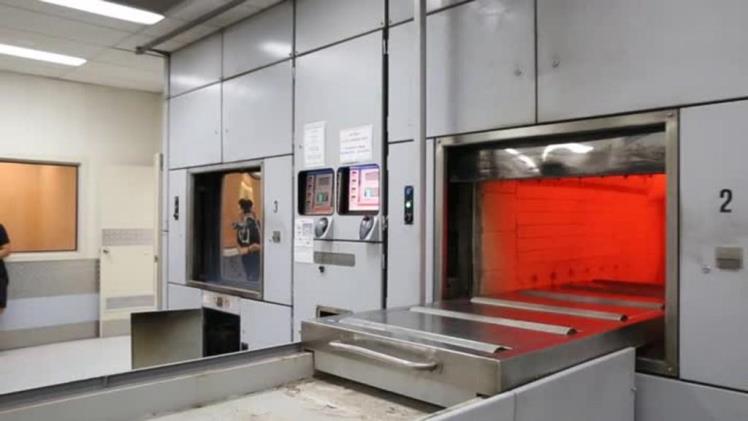
Cremation is a process where the body is reduced to ash. The body is placed into a cremation chamber, also known as a retort, and exposed to the intense heat that dries the skin, contracts and chars the muscles, vaporizes soft tissues, and calcifies bones to dusty ashes.
The ashes are then pulverized to make them look like coarse sand or gravel.
The Process
In the past, cremation often took place on open wooden funeral pyres, but today the process is contained within a specially designed furnace called a cremation chamber or retort. The body is placed in the primary space of the retort and exposed to extreme temperatures, which reduce the body to bone fragments and non-combustible materials. Typically, the temperature in this chamber is around 900 Celsius. The second chamber, which is often positioned above or at the back of the primary chamber, is used to incinerate any remaining materials. This eliminates emissions and further reduces the size of the skeletal remains to a fine powder-like consistency.
The ashes are removed from the cremation chamber and placed into a temporary container or urn supplied by the family. The ashes may contain metals such as pins, screws, joints, and surgical implants, as well as any other material that was placed with the body during the cremation process (such as plastic or paper). These materials are separated by hand and/or with strong magnets to remove the metallic components, which are then sent for recycling. The ashes are then mechanically pulverized to produce a more uniform powder-like consistency.
While the ashes don’t look like traditional “ashes,” they do represent a human being and, as such, are personal to families. Some people choose to keep all of the ash particles for themselves, while others prefer to retain certain bone fragments, such as a skull or hip bone. The ashes can be kept in an urn, scattered in the garden, or stored in a special casket.
Although the combustion of the human body produces some harmful chemicals, such as PCDD/Fs and mercury, studies have not yet shown any links between these chemicals and adverse health effects. However, modern equipment with process controls and continuous monitoring of pollutants can alert operators to operational problems allowing them to prevent the unintentional release of these contaminants.
Crematoriums may also produce odors, fine dust, volatile organic compounds, and products of incomplete combustion (PIC). These pollutants can cause a variety of respiratory and other health issues, but the majority are not a significant concern when they occur in a closed and properly operated facility. In addition, most jurisdictions regulate the siting of crematoria to ensure setback distances between them and sensitive receptors (such as schools, daycares, and hospitals) to mitigate the potential impacts.
Preparation
Cremation is a process whereby the remains of your loved one are reduced to ash. Before the cremation begins, the person who made the arrangements for the service will need to complete paperwork that authorizes the crematorium to proceed. This typically asks for details on whether or not any jewelry is being kept and if any medical devices, such as pacemakers, have been removed to avoid a possible reaction during the cremation process.
Once all the necessary paperwork is completed, the body will be prepared for cremation by cleaning and dressing it. Then the body is placed into what’s called a cremation casket. This is a container ideally made of wood or another combustible material (Pure Cremation uses solid pine, which is a good fuel) that’s designed specifically for the encasement of a human body before cremation.
After a certain amount of time passes, the cremation chamber – also known as the retort – will be heated up to around 1,800 degrees Fahrenheit. The purpose of high temperatures is to reduce all organic matter from the body into a fine bone fragment referred to as cremain. The bones are then cooled and sorted for any metal remnants, such as screws, pins, nails, hinges, and other hardware that may not have fully combusted during the cremation process. Any metal is then retrieved with the help of strong magnets and later disposed of.
Before the cremation process takes place, a small disc with your loved one’s name is placed on the front of the container to ensure that the right cremains are returned to the correct family following the cremation process. The cremation process usually takes a minimum of 2 working days, however, if the cremains are needed on a more urgent basis, it’s possible to collect them much sooner – simply contact the crematorium to discuss this option.
The cremated remains can then be stored in a casket, an urn, or a temporary container provided by the crematory machine, or you may choose to purchase your own urn from Pure Cremation. Alternatively, you can have the cremains scattered or added to a rock garden for permanent placement.
The Cremation
Cremation involves exposing a body to extreme heat in order to reduce it to ash. The process typically takes between one and three hours, though cooling can take a further hour or two. After cremation, the ashes are placed in a container that you have provided (or a temporary default urn). You can choose from many different types of urns at the time of your loved one’s death or later, with some crematoriums offering an option to purchase a permanent urn or other receptacle.
Once the ashes have been collected from the receptacle, they are then mechanically reduced into fine particles of dust. These are then put into a bag and sealed or transferred to the final urn of your choice. If your family does not wish to receive the ashes, they can be scattered by staff or stored in a special keepsake container at the crematorium.
Before the body is cremated, a member of staff will remove any jewelry and other personal items you would like to keep. They will also remove any medical devices that could cause a reaction during the cremation, such as pacemakers. Metal items, such as staples, screws, and hinges, are removed to prevent them from being re-used in another way, such as in a prosthetic joint. However, you may wish to have them melted down and recycled or disposed of responsibly.
A skeleton is a very energy-intensive object to incinerate, so the cremation takes place in two chambers – the primary and secondary combustion chambers. During the primary combustion phase, the body is burned at very high temperatures that vaporize the water in the body and other organic materials. Then, during the secondary combustion process, the bone fragments are further reduced to a dust-like consistency.
The ashes are then taken out of the cremation chamber, cooled, and inspected for any ferrous materials which did not combust during the process, such as screws or nails (these can be re-used). After this, they are mechanically reduced into a fine powder and placed in your chosen receptacle. When the ashes have been returned, your funeral director will arrange for them to be delivered or collected by you.
Post Cremation
Once the cremation process is complete, the ashes are cooled and removed from the chamber. They are then placed in a container, such as a sturdy cardboard box or urn. Some families choose to keep the ashes, while others prefer to spread them or display them in some other way. Whatever the choice, the identity tag that accompanies the remains throughout the process identifies them as the final resting place.
The ashes are reduced to fine dust, grayish-white in color, and the consistency of coarse sand or gravel. They resemble the residue left behind after a bone is broken apart with pliers. They are referred to as “ashes,” but they are actually the result of secondary combustion. As the extreme heat transforms organic matter into ash, it also vaporizes any remaining liquids. This allows the fluids to drain out through a vent at the back or side of the chamber.
This secondary combustion occurs because of the high temperatures in the cremation chamber, which can reach 1,800 degrees Fahrenheit. Typically, oxygen fuels this flame, with some gases also being produced from the body itself and any preexisting materials in the cremation vessel.
At this stage, any metal objects that were attached to the person are retrieved using a magnet. These can include gold fillings, surgical screws, pins, and joints that were surgically inserted during life, as well as inert prosthetic devices like hip or knee replacements. The cremated remains may also contain fragments of metal from jewelry, dental work, or other items that were not burned with the body during the cremation process. These are usually inspected and separated by hand or with strong magnets to remove any metal, which is then disposed of as per local regulations.
Depending on the culture or religion, some people may want to be present for this step of the process. For instance, Hindus allow their eldest son to turn on the machine as a rite of passage. Other people simply want to witness the process. About a dozen people make this request at Rosehill each week. It is possible for them to do so from an observation deck.