

Eco-Friendly Home Remodeling Ideas

Home remodeling by Dexteriors Home Remodeling is an opportunity to improve the functionality and aesthetics of your living space. Incorporating eco-friendly practices into your remodeling project benefits the environment and can enhance your home’s energy efficiency, comfort, and value. We will explore various eco-friendly home remodeling ideas focusing on sustainable materials, energy-efficient solutions, water conservation, and waste reduction. These ideas will help you create a greener and more sustainable living environment.
Sustainable Building Materials
Reclaimed and Recycled Materials
Using reclaimed and recycled materials is a great way to reduce the environmental impact of your remodeling project. Reclaimed wood, for example, can be used for flooring, cabinetry, and accent walls, adding character and a unique aesthetic to your home. Recycled metal, glass, and plastic can be used in various applications, from countertops to decorative elements. These materials reduce the demand for new resources and divert waste from landfills, making your remodel more sustainable.
Bamboo and Cork
Bamboo and cork are two sustainable alternatives to traditional hardwood flooring. Bamboo is a fast-growing grass that regenerates quickly, making it an excellent renewable resource. It is durable, stylish, and available in a variety of finishes. Cork, harvested from the bark of cork oak trees, is another eco-friendly option. It is naturally resistant to mold, mildew, and pests, providing a comfortable and resilient flooring choice. Both materials offer an attractive and sustainable solution for your remodeling needs.
Energy-Efficient Solutions
Insulation and Windows
Improving your home’s insulation and windows is essential for enhancing energy efficiency. Proper insulation helps maintain a consistent indoor temperature, reducing the need for heating and cooling. Consider using eco-friendly insulation materials, such as cellulose or sheep’s wool, with lower environmental impacts than traditional options. Upgrading to energy-efficient windows, such as double or triple-pane windows with low-emissivity (Low-E) coatings, can significantly reduce energy loss and improve your home’s overall efficiency.
Energy-Efficient Appliances
Replacing old, inefficient appliances with energy-efficient models can greatly reduce your home’s energy consumption. Look for appliances with the Energy Star label, which indicates that they meet strict energy efficiency guidelines set by the U.S. Environmental Protection Agency (EPA). Energy-efficient refrigerators, dishwashers, and washing machines use less water and electricity, lowering utility bills and reducing carbon footprint. Investing in these appliances is a simple yet effective way to make your home more eco-friendly.
Water Conservation
Low-Flow Fixtures
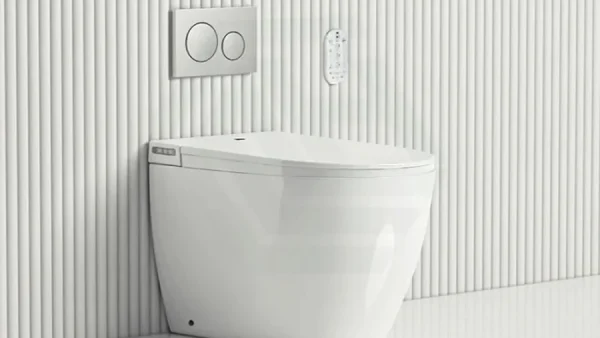
Installing low-flow fixtures in your bathrooms and kitchen can significantly reduce water usage. Low-flow faucets, showerheads, and toilets are designed to use less water without compromising performance. These fixtures can help you save water and reduce utility bills while maintaining the same level of comfort and functionality. Additionally, consider installing aerators on faucets, which mix air with water to reduce flow without affecting pressure.
Rainwater Harvesting
Implementing a rainwater harvesting system is another effective way to conserve water. Rainwater can be collected from your roof and stored in a tank for later use in irrigation, flushing toilets, or washing clothes. This reduces your reliance on municipal water supplies and helps lower your water bills. A rainwater harvesting system is relatively easy to install and can be customized to suit your home’s needs and local climate conditions.
Waste Reduction
Deconstruction and Recycling
Instead of demolishing old structures during your remodel, consider deconstruction, which involves carefully dismantling buildings to salvage reusable materials. This approach reduces waste sent to landfills and allows you to repurpose materials in your new design. Items such as doors, windows, fixtures, and flooring can be reused or donated to organizations specializing in building material recycling. Deconstruction is a more sustainable and responsible way to approach remodeling projects.
Composting and Recycling Programs
Establish a composting and recycling program to manage waste effectively during your remodeling project. Composting organic waste, such as food scraps and yard debris, can reduce the amount of waste sent to landfills and create nutrient-rich soil for your garden. Recycling materials like paper, plastic, metal, and glass ensures they are processed and reused rather than discarded. Implementing these programs helps minimize the environmental impact of your remodel and promotes a greener lifestyle.
Renewable Energy Sources
Solar Panels
Installing solar panels is a significant investment that can greatly enhance your home’s sustainability. Solar panels convert sunlight into electricity, reducing your dependence on fossil fuels and lowering your energy bills. While the initial cost of installation can be high, many governments offer incentives and rebates to offset the expense. Solar panels can pay for themselves through energy savings and potentially increase your home’s value.
Wind Turbines and Geothermal Systems
Depending on your location and property size, wind turbines and geothermal systems are other renewable energy options to consider. Small wind turbines can generate electricity for your home, especially if you live in an area with consistent wind patterns. On the other hand, geothermal systems use stable temperatures underground to heat and cool your home efficiently. Both options require a higher initial investment but offer long-term energy savings and environmental benefits.
Indoor Air Quality
Low-VOC Paints and Finishes
Indoor air quality is an important aspect of a healthy home environment. Traditional paints and finishes often contain volatile organic compounds (VOCs) that can release harmful chemicals into the air. Opt for low-VOC or zero-VOC paints and finishes, which are made with fewer toxic ingredients and have minimal impact on indoor air quality. These products are available in various colors and finishes, allowing you to create a beautiful and healthy living space.
Natural Ventilation
Incorporating natural ventilation into your home design can improve indoor air quality and reduce the need for mechanical cooling. Strategically placed windows, vents, and skylights can facilitate cross-ventilation, allowing fresh air to circulate and remove indoor pollutants. Additionally, consider installing ceiling fans to enhance air movement and reduce reliance on air conditioning. Natural ventilation improves air quality and creates a more comfortable and pleasant living environment.
Conclusion
Eco-friendly home remodeling ideas focus on sustainable materials, energy-efficient solutions, water conservation, and waste reduction. By incorporating these practices into your remodeling project, you can create a more sustainable, comfortable, and energy-efficient home. Whether you choose to use reclaimed materials, install solar panels, or improve your home’s insulation, every step towards sustainability positively impacts the environment and your quality of life. Embracing eco-friendly remodeling practices is a valuable investment in your home and the planet’s future.