

Why Botox Courses Are Essential for Modern Aesthetic Practice
The Growing Demand for Specialized Training
The field of aesthetic medicine continues to evolve as more people seek minimally invasive cosmetic treatments. Among these procedures, Botox has become one of the most recognized options for individuals looking to address signs of aging and enhance their appearance without surgery.
As interest in these treatments increases, so does the responsibility placed on practitioners who provide them. Administering Botox requires more than technical ability. It demands a thorough understanding of facial anatomy, patient assessment, communication skills, and professional judgment. This is why Botox courses have become an essential part of education for qualified healthcare professionals entering or expanding within the aesthetics industry.
Proper training helps ensure that treatments are delivered safely, ethically, and effectively.
Building a Strong Foundation of Knowledge
One of the primary reasons botox courses are important is that they provide structured education. Even experienced healthcare professionals may have limited exposure to aesthetic procedures during their formal training.
Botox courses help bridge this gap by introducing participants to the scientific principles behind treatment. Understanding how the product works, how muscles interact within the face, and how individual anatomy influences outcomes forms the basis of safe practice.
Without this foundation, practitioners may struggle to make informed decisions during consultations and treatment planning.
Prioritizing Patient Safety
Patient safety should always remain the highest priority in any healthcare setting. Although Botox is widely used, it is still a medical procedure that requires careful consideration and skill.
Comprehensive training courses emphasize safety protocols, contraindications, proper dosing techniques, and complication management. Participants learn how to recognize situations in which treatment may not be appropriate and how to respond if unexpected outcomes occur.
This preparation helps reduce risks and contributes to higher standards of care throughout the industry.
Developing Practical Skills Through Hands-On Experience
Knowledge alone is not enough when performing aesthetic procedures. Practical experience plays a critical role in developing competence and confidence.
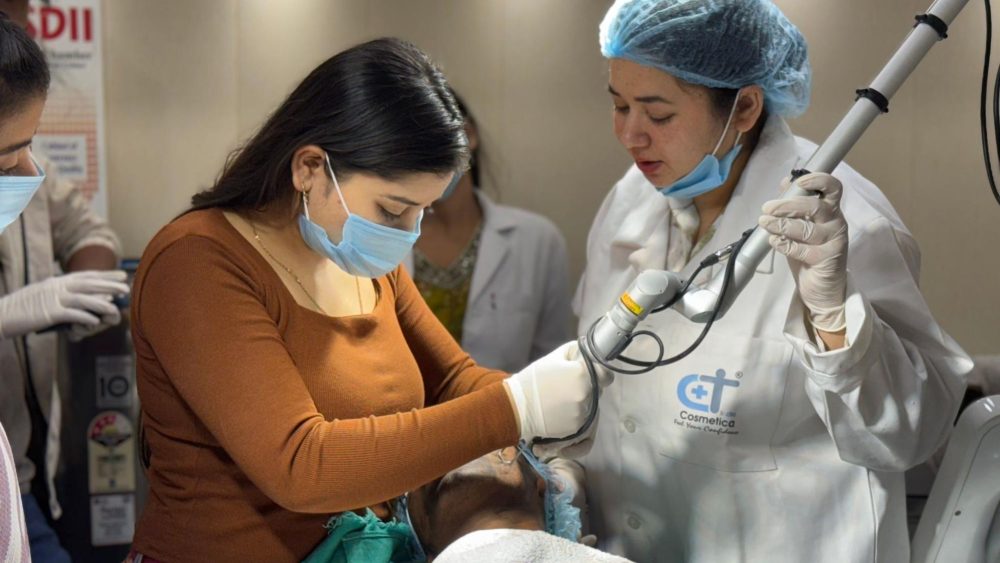
Many Botox courses incorporate supervised hands-on training opportunities that allow participants to apply what they have learned in real-world scenarios. Under experienced guidance, practitioners refine their techniques and improve their precision.
This combination of theory and practice helps translate classroom concepts into practical skills that support patient satisfaction and safety.
Improving Consultation Techniques
Successful aesthetic outcomes often begin long before treatment takes place. Effective consultations allow practitioners to understand patient goals, manage expectations, and determine whether Botox is an appropriate option.
Botox courses frequently address communication strategies that support productive consultations. Learning how to ask meaningful questions, explain procedures clearly, and discuss potential outcomes fosters stronger relationships between practitioners and patients.
These interpersonal skills contribute significantly to positive experiences and informed decision-making.
Enhancing Professional Confidence
Entering a new area of practice can feel intimidating, particularly when patient well-being is involved. Even highly skilled healthcare professionals may initially question their readiness to perform aesthetic procedures independently.
Education helps reduce this uncertainty. Botox courses provide opportunities to develop familiarity with treatment protocols and gain valuable experience under supervision.
As knowledge and practical skills grow, practitioners often experience increased confidence in their abilities. This confidence can improve both professional performance and patient interactions.
Encouraging Ethical Practice
The popularity of aesthetic treatments has contributed to rapid growth within the industry. With this growth comes an increased need for ethical decision-making and professional integrity.
Quality Botox courses emphasize the importance of prioritizing patient welfare over commercial interests. Practitioners are encouraged to recommend treatments responsibly and avoid creating unrealistic expectations.
Ethical practice strengthens trust within the practitioner-patient relationship and supports the credibility of the profession as a whole.
Supporting Career Development
Continuing education plays an important role in healthcare careers. Botox training can provide qualified professionals with opportunities to diversify their skill sets and explore new areas of practice.
For some individuals, aesthetic medicine represents a primary career focus. For others, it serves as a complementary service within an existing healthcare setting.
Regardless of the specific path chosen, investing in education demonstrates a commitment to professional growth and lifelong learning.
Staying Current With Industry Advancements
Medical aesthetics is not a static field. Techniques, recommendations, and patient expectations continue to evolve over time.
Participating in Botox courses allows practitioners to remain informed about emerging developments and best practices. Ongoing education encourages adaptability and helps professionals refine their approaches as new information becomes available.
Remaining current supports both patient safety and professional excellence.
Strengthening Patient Trust
Patients often seek reassurance that their chosen practitioner possesses appropriate qualifications and training. Demonstrating a commitment to education can help build that trust.
When individuals know their provider has pursued specialized instruction, they may feel more confident discussing concerns and asking questions. Trust contributes to stronger therapeutic relationships and more positive treatment experiences.
Professional education benefits not only practitioners but also the people they serve.
Promoting Consistency in Standards of Care
Standardized education contributes to greater consistency within the aesthetics industry. Botox courses provide frameworks that encourage evidence-based practice and adherence to established guidelines.
When practitioners receive comprehensive training, patients may experience more reliable levels of care regardless of where treatment takes place.
Consistency helps strengthen public confidence in aesthetic medicine and supports the ongoing development of professional standards.
Final Thoughts
Botox courses are essential because they provide the knowledge, practical experience, and ethical guidance needed to deliver safe and effective care. Beyond learning injection techniques, participants develop a deeper understanding of patient assessment, communication, safety protocols, and professional responsibility. As demand for aesthetic treatments continues to grow, high-quality education remains one of the most important investments healthcare professionals can make. By prioritizing training and lifelong learning, practitioners position themselves to provide better experiences for their patients while supporting their own professional growth and confidence.