


Types of Metals Used in Custom Fabrication and Their Uses
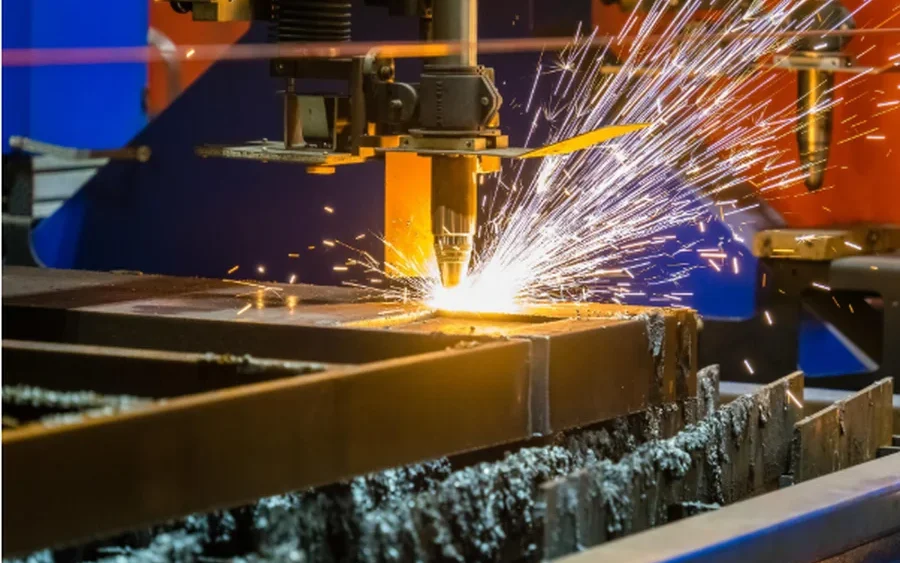
When people think about custom fabrication, they often picture the final product rather than what it is made of. A railing, a staircase, or a gate may look similar at first glance, but the choice of metal behind it changes how it performs, how long it lasts, and how it fits into its environment.
In reality, material selection is one of the most important decisions in any fabrication project. The same design built using different metals can behave very differently over time. That is why experienced teams offering custom metal fabrication services in Cayman focus heavily on choosing the right material before any cutting or welding begins.
Here are the most commonly used metals in custom fabrication and where each one works best.
1. Stainless Steel
Stainless steel is widely known for its resistance to rust and corrosion. This makes it one of the most reliable choices for outdoor and coastal environments where exposure to moisture and salt is constant.
It is often used for:
- Balcony railings
- Staircases
- Handrails
- Kitchen and food-grade applications
Beyond durability, stainless steel also offers a clean and modern finish. It can be polished to a high shine or given a brushed texture depending on the desired look.
In places like the Cayman Islands, stainless steel is often preferred for projects that need both visual appeal and long-term performance without frequent maintenance.
2. Aluminum
Aluminum is lightweight, easy to shape, and naturally resistant to corrosion. While it may not be as strong as steel, it offers flexibility in design and is easier to handle during installation.
It is commonly used for:
- Gates and fencing
- Decorative panels
- Window frames
- Lightweight structural elements
The fact that aluminum does not rust like conventional steel is one of its main advantages. This makes it a sensible choice for outdoor applications where corrosion resistance and weight are crucial considerations. Aluminum is frequently selected for applications requiring more complex designs or quicker turnaround times since it is simpler to produce.
3. Mild Steel
Mild steel is one of the most commonly used materials in fabrication due to its strength and affordability. It is easy to weld, cut, and shape, making it suitable for a wide range of applications.
It is typically used for:
- Structural frameworks
- Support beams
- Heavy-duty gates
- Industrial applications
Nevertheless, mild steel lacks inherent resistance to corrosion. This indicates that in order to prevent rust, it requires the appropriate surface treatment, such as painting, powder coating, or galvanizing.
Mild steel may be robust and long-lasting when properly polished, but omitting the finishing step can drastically shorten its lifespan, particularly in humid or coastal areas.
4. Galvanized Steel
Galvanized steel is essentially mild steel that has been coated with a layer of zinc to protect it from corrosion. This added protection makes it more suitable for outdoor use compared to untreated steel.
It is often used for:
- Outdoor structures
- Fencing systems
- Utility frameworks
- Industrial installations
The zinc coating acts as a barrier against moisture and air, helping extend the life of the metal. Even if the surface gets scratched, the protective layer continues to offer some resistance against rust.
This makes galvanized steel a practical choice when strength is needed along with better durability than standard mild steel.
Choosing the Right Metal for the Job
There is no single “best” metal for all fabrication work. The right choice depends on how the final structure will be used, where it will be installed, and how much maintenance the client is willing to handle.
In coastal environments, corrosion resistance becomes a major factor. Materials like stainless steel and aluminum tend to perform better over time, while mild steel requires additional protection to remain durable. Fabrication teams involved in welding and fabrication services in Cayman often evaluate multiple factors before finalizing material selection.
Final Thoughts
The choice of material from the outset is just as important to the success of any manufacturing project as design and craftsmanship. While the proper material may prolong the life of even a basic design, a well-designed building constructed with the incorrect metal may eventually fail.
Whether the project is ornamental, commercial, or residential, knowing the characteristics and applications of various metals aids in decision-making. The material is more than simply a starting point in bespoke production. It serves as the cornerstone of all that comes after.