

Gildan vs Bella Canvas: Which Blank Shirt Should You Choose?
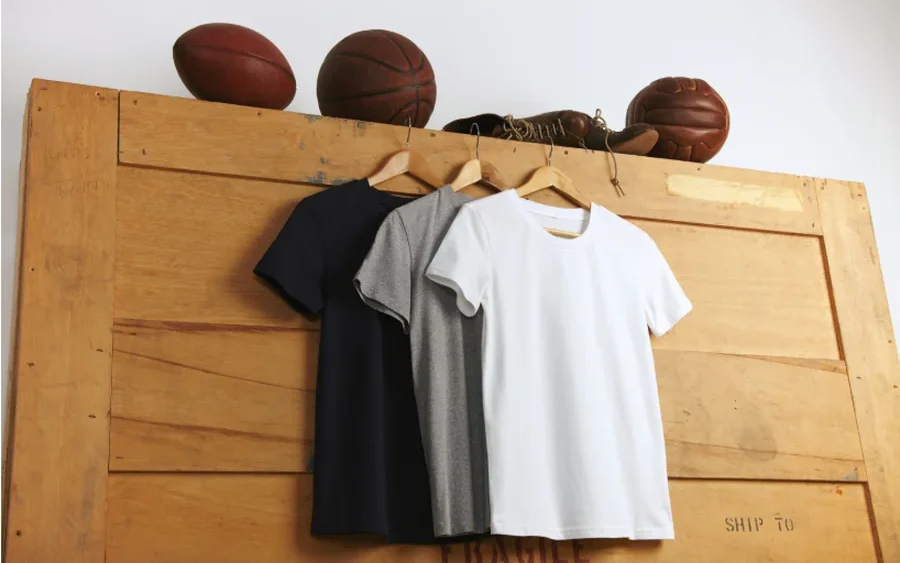
Gildan vs Bella Canvas: which blank shirt should you choose? Gildan offers durability and affordability for bulk orders. Bella Canvas delivers a softer feel and modern fit at a higher price. Your choice depends on your budget, audience, and how you plan to use the shirts.
Both brands dominate the custom apparel market for good reason. Understanding their differences helps you make the right call for your specific project.
The Quick Comparison
Here’s what separates these two brands at a glance.
Gildan works best when you need affordable shirts in large quantities. Think company picnics, charity runs, or promotional giveaways where cost matters more than premium feel.
Bella Canvas shines when quality and style take priority. Retail merchandise, employee uniforms for customer-facing roles, or any situation where people will wear the shirts repeatedly.
Fabric and Feel
The biggest difference you’ll notice is how the shirts feel against your skin.
Gildan uses standard cotton in most of their popular styles. The Gildan 5000 Heavy Cotton tee weighs 5.3 oz and feels sturdy. It’s a workhorse shirt that holds up to abuse. The fabric has a slightly rougher texture compared to premium options. Their Softstyle line (Gildan 64000) offers a lighter 4.5 oz option with improved softness.
Bella Canvas uses what they call Airlume combed and ring-spun cotton. This process removes impurities and short fibers, leaving only the longest, smoothest cotton strands. The result feels noticeably softer right out of the bag. Their flagship 3001 tee weighs just 4.2 oz and drapes nicely on the body.
Ring-spun cotton also creates a smoother printing surface. Ink lays down more evenly, producing crisper graphics with better detail.
Fit and Style
These brands take different approaches to how their shirts fit.
Gildan offers a traditional, relaxed fit. The shirts run slightly boxy with more room through the chest and waist. Sleeves tend to be longer and looser. This classic American fit works well for a wide range of body types and feels familiar to most people.
Bella Canvas follows current fashion trends with a more tailored silhouette. Their shirts fit slimmer through the body with shorter sleeves that hit higher on the arm. The modern cut looks more polished and retail-ready. However, some customers find they need to size up compared to traditional fits.
Price Difference
Budget often drives the final decision between these brands.
Gildan typically costs $3 to $5 per shirt at wholesale, depending on style and quantity. The Heavy Cotton 5000 sits at the lower end. This pricing makes Gildan the go-to choice for large orders where every dollar counts.
Bella Canvas runs $5 to $8 per shirt wholesale. The 3001 usually costs about 30% to 50% more than comparable Gildan options. That premium adds up quickly on orders of 100 shirts or more.
For a 100-shirt order, you might pay $350 with Gildan versus $550 with Bella Canvas. That $200 difference matters for many projects.
Print Quality Results
How your design looks on the finished shirt depends partly on the blank you choose.
Screen printing works well on both brands. Gildan’s heavier fabric provides a stable surface that handles thick ink deposits without issue. Bella Canvas’s smoother surface allows finer detail and softer hand feel on the print.
DTG (direct-to-garment) printing performs better on Bella Canvas. The tighter knit and smoother fibers let the printer lay down ink more precisely. Colors appear more vibrant and details stay sharper. Gildan’s looser weave can cause slight inconsistencies, especially on darker shirts.
Embroidery works equally well on both brands, though Gildan’s heavier fabric may provide slightly more stability for dense designs.
A quality custom shirt printing company can advise you on which blank works best for your specific design and printing method.
Durability and Longevity
Both brands hold up to regular wear and washing, but in different ways.
Gildan shirts maintain their shape well over time. The heavier fabric resists stretching and the construction handles rough treatment. These shirts work hard and last long in demanding environments. Expect 50+ washes before noticeable wear.
Bella Canvas shirts stay soft wash after wash but may show wear sooner than Gildan. The lighter fabric can develop small holes at stress points over time. The trade-off for that premium feel is slightly reduced durability in high-wear situations.
For work uniforms in physical jobs, Gildan often makes more sense. For retail merchandise people wear occasionally, Bella Canvas delivers a better customer experience.
Color Selection
Both brands offer extensive color palettes, but with different strengths.
Gildan provides over 70 colors in their Heavy Cotton line. They excel at basic, bold colors and offer reliable consistency across orders. If you need safety orange or specific Pantone matches, Gildan likely has you covered.
Bella Canvas offers around 65 colors with a focus on fashion-forward shades. Their heather and triblend options look particularly modern. Colors like “Heather Prism Peach” and “Sunset” appeal to trend-conscious buyers.
Sizing Range
Consider who will wear these shirts when choosing your blank.
Gildan offers sizes from S to 5XL in most styles. Their extended size range makes them practical for diverse groups where you need to accommodate everyone.
Bella Canvas typically runs S to 3XL. The slimmer fit means some customers who normally wear XL might need 2XL in Bella Canvas. This can complicate ordering for groups with varied body types.
Sustainability Considerations
Environmental impact matters to many buyers today.
Bella Canvas leads on sustainability. They use solar energy in production, implement water reduction practices, and source cotton through more responsible channels. Their Airlume cotton meets higher environmental standards than conventional cotton.
Gildan has made sustainability commitments and improved their practices, but they don’t emphasize eco-friendly production as strongly as Bella Canvas. For buyers prioritizing environmental impact, Bella Canvas offers a clearer choice.
When to Choose Gildan
Pick Gildan for these situations:
- Large quantity orders (100+ shirts) where budget matters
- One-time events like 5K runs, reunions, or company picnics
- Work environments with physical demands
- Groups needing extended size ranges
- Projects where durability outweighs softness
- Promotional giveaways where cost-per-impression matters
When to Choose Bella Canvas
Pick Bella Canvas for these situations:
- Retail merchandise you plan to sell
- Brand apparel that represents your company image
- Fashion-forward audiences who notice quality
- Designs with fine details or photographic elements
- DTG printing projects
- Situations where the shirt itself makes a statement
- Eco-conscious customers or brands
The Middle Ground
Can’t decide? Consider these options.
Gildan Softstyle (64000) bridges the gap with improved softness at a lower price than Bella Canvas. It won’t match Bella Canvas quality but costs significantly less.
Next Level Apparel offers another alternative positioned between these two brands. Their 3600 sits close to Bella Canvas quality at a slightly lower price point.
Some projects benefit from mixing blanks. Use Bella Canvas for your retail line and Gildan for promotional giveaways. Match the blank to the purpose.
Making Your Decision
Ask yourself these questions:
- What’s my budget per shirt?
- Will people wear these shirts repeatedly or once?
- Does my audience care about premium feel?
- What printing method am I using?
- Do I need extended sizes?
- Does sustainability matter to my brand or customers?
Your answers point toward the right choice. Neither brand is universally better. The best blank shirt is the one that fits your specific project needs.
Bottom Line
Gildan and Bella Canvas both earn their market positions. Gildan delivers unbeatable value for budget-conscious bulk orders. Bella Canvas provides the premium quality that retail and brand merchandise demands.
For most custom printing projects, you can’t go wrong with either brand when matched to the right purpose. Know your priorities, understand the trade-offs, and choose accordingly. Your shirts will look great either way.