

FAQs for Residential Electricians
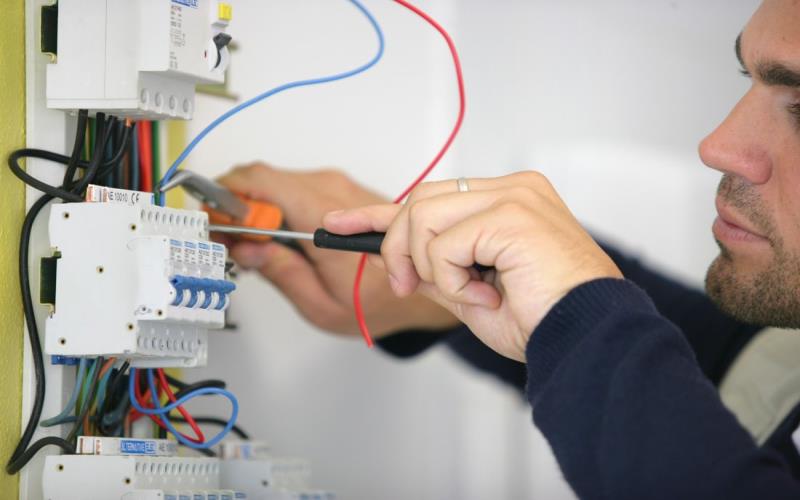
A residential electrician installs and repairs different electrical systems, such as lighting and surge protection, within a home. Some electricians also offer custom electrical services, such as diagram projects, that match your specifications. Experienced electricians can assist customers in choosing energy-saving systems that fit their needs. Here are some of the most frequently asked questions for residential electricians:
What Type of Services Do You Offer?
A residential electrician usually offers construction and remodeling as well as repair and maintenance services. If you’re upgrading your home’s current electrical systems, experienced electricians can run new services, add circuits, and install indoor and outdoor lighting. Some professionals also offer installation services for appliances, hot tubs, or security systems. For current systems, electricians may repair fixtures, restore power, or address code violations. Most electricians can also answer any questions you have about your home’s electrics or assist with obtaining local electrical work permits.
Are You Qualified?
Qualified electricians should have a high school diploma and have completed an apprenticeship program. Apprenticeships often last about four years and provide electricians with classroom instruction, on-the-job training, and mentorship guidance. Journeyman electricians are licensed to work independently but cannot obtain permits for electrical work. Master electricians have more years of experience and have passed an additional certification exam.
Many master electricians become independent electrical contractors. Before hiring an independent contractor, confirm that they are state-licensed. Some states require specific certifications or registrations that regulate what projects an electrician can accept. Licensed electricians also have contractor liability and bond insurance to protect a client in case of problems.
What Safety Precautions Do You Take?
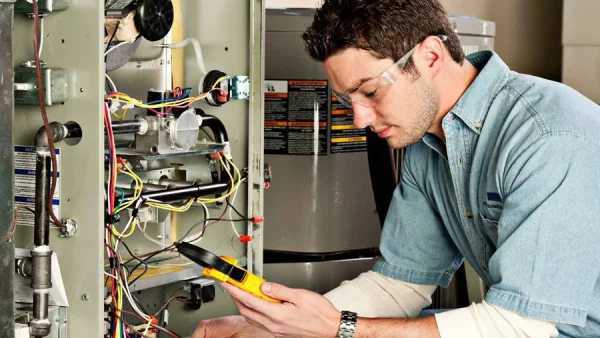
Experienced electricians turn off the power before doing any electrical repairs or installations. They use protective equipment such as safety goggles and gloves and follow the correct grounding techniques to reduce the likelihood of electrical shocks. A qualified electrician can recommend how often you should conduct electrical inspections depending on the condition and age of your home.
What Is Your Business Experience?
An electrician with many years of experience should be able to provide a history of quality work. Compare a professional’s previous projects to your current requirements to determine if they are experienced in handling your electrical project. A contractor who has been in business for years should also have references who can testify about the quality of their work. Ask for previous customer contacts to determine if an electrician’s style of work fits your needs.
What Is Your Service or Warranty Guarantee?
Many electrical contractors provide a warranty to guarantee the quality of services offered in your home. Warranties may include periodic safety inspections to confirm the functionality and safety of electrical systems. If an electrician finds a malfunction after providing their services, a warranty often guarantees they will perform the repairs at no extra cost. Reputable electricians usually provide clients with a contract that shows the scope of work, pricing, and warranty terms before doing any work.
Find a Reliable Residential Electrician Near You
When looking for a residential electrician, prioritize one who offers 24-hour services for reliability, especially during emergencies. Schedule a consultation and ask about their past construction, remodeling, or maintenance projects. Contact a reputable residential electrical contractor today to schedule a safety inspection or installation service.