

What You Can Expect When Renting Your First Apartment
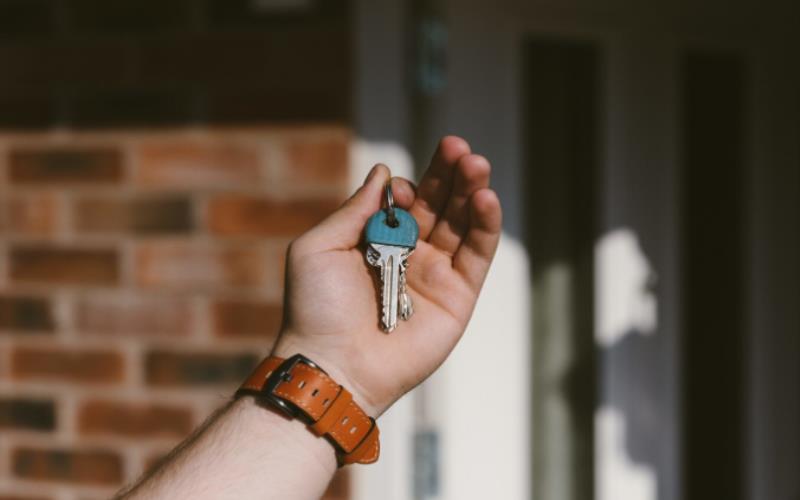
Renting your first apartment is a massive achievement in the life of an individual as it opens up a new chapter in the book of life. It is a process of change, which involves learning and acquiring new roles and functions in life. However, it can also be quite confusing at times if you have no idea what it entails. Here is a complete guide to help you prepare for this new phase of life and what to expect when renting your first apartment.
The Search Process
1. Understanding Your Requirements and Financial Constraints
When you are looking for an apartment, it is crucial to set your parameters and determine how much money you will be willing to spend. Some of the factors that should be considered include the location, the size of the house, facilities available, and the nearness to work or school. Calculate the maximum amount of money you can allow for rent per month while still being able to meet other expenses. Another useful guideline is to set a limit of 30% of your income for rent payments.
2. Researching and Touring Apartments
Now that you know what kind of apartment you want, begin your search for apartments on the internet using websites like Zillow, and Apartments. Online sites such as com, and Craigslist are also very helpful. Organize a physical visit of the houses which may be of interest. It is advisable to consider the overall state of the property, the surrounding area, and the lessees’ interactions with the landlord or the property manager.
3. Applying for an Apartment
Once you have arrived at the apartment that you are interested in, you will be required to complete an application. You may be required to furnish personnel information, employment history information, and contact information of referees. You may also be required to pay an application fee and the company may carry out a credit check on you. This information is used by landlords to evaluate your creditworthiness as a tenant.
The Lease Agreement
1. Reading the Lease Carefully
Upon being approved for the application, you will be required to sign a lease agreement. These are the terms and conditions for your rental agreement: the duration of your lease, rental fee, payment schedule, and the guidelines for use of the property. One should always make sure to go through the lease document and comprehend all the conditions and terms before putting in a signature. In case of any questions, do not hesitate to ask the landlord.
2. Security Deposit and Other Fees
You will also have to pay your first month’s rent plus a security deposit. This is usually an amount equivalent to a month’s rent and is paid upfront and returned at the end of your tenancy unless there are damages or unpaid bills. Some landlords may also require some extra charges such as fees for keeping pets, parking space, or even for electricity and water among others.
Moving In
1. Preparing for the Move
Now that you have signed the lease as well as paid the initial fees required for the tenancy agreement, it is time to move. Develop a list of things that need to be done before you can move out, for instance, canceling utilities, redirecting mail, and packing. If you need assistance with the moving process, it is advisable to seek the services of professional movers or seek the help of friends and family.
2. Conducting a Walk-Through
When planning to move in, it is advisable to visit the apartment with the landlord or the property manager. Do not forget to record any existing damages or problems and ensure that it is well documented. You can also take pictures or record videos which may also be useful. It is very important to do this to make sure that you get your security deposit back when you leave the house.
3. Organizing Your New Area
After you have settled in, it is recommended that you take some time and arrange your new home. Sort out the furniture, put everything in its place, and make the apartment comfortable for living. This is also a good time to start getting to know the other people in the building and finding out more about the facilities and guidelines of the building.
Handling Challenges
1. Dealing with Roommates
When renting an apartment, and especially when other people are living with you, it’s important to establish good communication. Set up guidelines on how bills, house cleaning, and the use of living space will be divided. You might consider drafting a roommate agreement that covers all of that may arise between you and your housemates for better living.
2. Navigating Landlord Relationships
Getting along with your landlord can help to make your stay in the rental property comfortable. Be polite, inform management of any problem, and treat the property with care. In case of any disagreement, it is encouraged to reach a consensus and be in compliance with the lease agreement.
3. Managing Finances
Apart from the rent, many other financial obligations come with renting an apartment. Cover for bills and other necessities such as food, fares, and other personal needs. At times you may have to handle repairs and renovations if you accidentally cause any, so record your expenses and also save for the rainy day so that you do not have to face financial problems.
Conclusion
Moving into your first apartment is a big step in a person’s life and comes with new experiences and responsibilities. Knowing what to expect at each step will help you navigate through this process seamlessly and with confidence. Ensure that you are in a good rapport with your landlord and any other occupants of the apartment, ensure that everything in the apartment is well taken care of, and be financially prudent. By applying these tips, you will be able to reap the advantages of having a new home, and therefore live happily.