


How Fit Should You Be for Island Peak Climbing
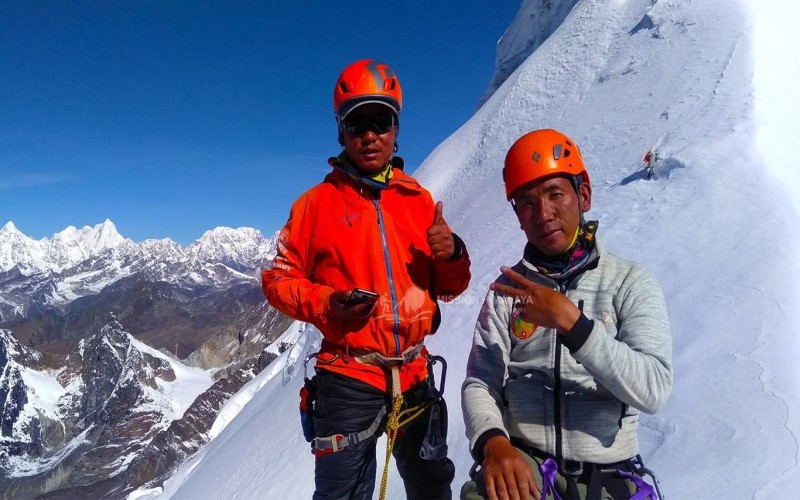
Climbing Island Peak/Imja Tse, a beautiful trekking peak in the Nepal Himalayas, demands a considerable level of physical fitness. The peak is considered moderately challenging, with difficulty factors such as high altitude, rugged terrain, and semi-technical climbing routes. Owing to its average difficulty level, being in good physical shape and having sound health conditions is essential for a safe, easy, and smooth adventure.
The Island Peak Climbing journey involves trekking through the diverse, lush Khumbu landscapes. The walk to the Island Peak Base Camp follows the adventurous and classical Everest Base Camp Trek routes. You will have to trek around 5-6 hours each day on average on the mountainous trails with numerous ascends and descends. Likewise, during the climbing phase, you will navigate through formidable routes such as steep ice, snow slopes, glaciers, headwalls, etc. To overcome the challenges presented by the trekking and climbing routes during the journey, consider upgrading yourself physically and mentally.
In the physical preparation for undertaking the Island Peak climb, you should focus on enhancing cardiovascular fitness, strength, endurance, and acclimatization.
Cardiovascular Fitness
During the Island Peak Climbing journey, you will have to walk for several hours daily at high altitudes and rugged terrains. In order to handle sustained physical activity during the consecutive trekking days and during the climbing phase, you need to posse a good cardiovascular endurance capacity. For cardiovascular fitness, consider involving in activities such as dancing, skipping, brisk walking, jogging, hiking, running, cycling, swimming, stair climbing etc.
Endurance Training
Build your overall health and well-being through endurance training. Endurance training strengthens the heart muscle and improves its efficiency. It also promotes respiratory health by improving lung function, allowing for better oxygen uptake and carbon dioxide removal. Moreover, endurance training supports muscle and bone endurance, which is essential to sustain prolonged physical activity during your adventurous journey.
Endurance training includes:
- Aerobic exercises
- Interval training
- Cross-country skiing
- Rock climbing
- Canoeing
- Sports
- Fitness exercises like Zumba, Kickboxing, etc
Strength Workouts
Strength workouts are essential for sustained stamina levels during the exhausting adventure of Island Peak Climbing. The trail includes some steep sections and some technical snow and ice slopes. So, strengthening your legs, core, and upper body is essential. For your overall strength enhancement, engage in the following exercises.
- Squats
- Lunges
- Step-ups
- Pull-ups
- Push-ups
- Shoulder presses
- Planks
- Dips
- Deadlift
- Leg raises
Acclimatization Hikes
Acclimatization is important in order to avoid altitude sickness and climb the Island Peak successfully. It helps to adjust your body to the reduced oxygen levels of the high-altitude thin air. To familiarize yourself with the higher altitudes reached during the journey, you can be involved in acclimation hikes to the nearby hills and adjust to the decreasing air/oxygen levels.
Other
For flexibility and balance while traversing the complex mountainous routes during the journey, you can include stretching exercises and yoga in your training regime. This helps to reduce the likelihood of muscle strains or injuries during the adventurous trek and climb of the Island Peak. You can also incorporate practical training to familiarize yourself with the gear and equipment used during the journey. Consider walking uphill and downhill with a loaded backpack, and try using mountaineering equipment such as crampons, ice axes, and harnesses. It will help you prepare for what exactly you are going to face on the actual adventure.
Note: Beyond physical fitness, mental preparation, and readiness are vital for a victorious Island Peak climb. Unpredictable weather, long trekking days, rugged terrains, etc., can challenge your alpine adventure. A positive mindset, focus, strong determination, and visualization of a successful journey will enhance your mental state for the mountain endeavor.