

The Wonders and Challenges of Bioprinting
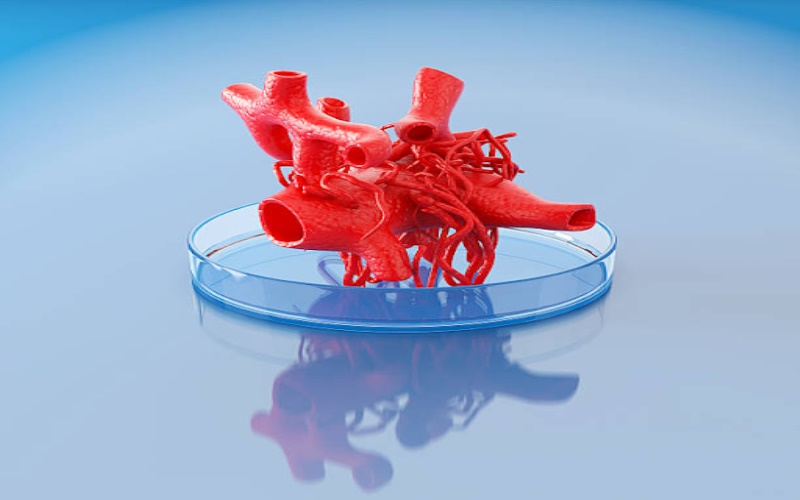
Imagine a world where damaged organs aren’t a life sentence. We are near a future where we can replace missing limbs and heal wounds faster. This revolutionary concept is bioprinting. It is a tech that uses 3D printing to create living tissues and organs. It offers a glimpse of a world where medicine takes a giant leap forward. Bioprinting provides solutions for organ transplants, wound healing, tissue regeneration, and research breakthroughs.
Beyond Plastic and Paper: Printing with Living Cells
Bioprinters are different from your everyday office printers. Instead of ink cartridges, they use special “bioinks”. It is a fancy term for special inks made from living cells and other biological materials. These bio-inks lay on each other, building complex structures one tiny layer at a time. It is like a regular 3D printer building objects with plastic. Imagine bioprinting a new layer of skin cells to heal a burn. Scientists may also print a tiny replica of a heart valve for someone in desperate need.
A Doctor’s New Toolkit: Bioprinting in Action
Bioprinting offers exciting possibilities for the medical field. Imagine surgeons in operating rooms using bio-printed tissues during surgeries. It aids in the repairing of damaged organs or even replacing lost ones. Bioprinted skin grafts could speed up wound healing for burn victims. The world will be able to reduce pain and scarring in wounds. Bio-printed bones could also provide a new option for patients with fractures. This triggers a faster and more natural healing process. The potential applications of bioprinting in surgery are vast and evolving.
Personalized Parts: Printing for You
Bioprinting isn’t a one-size-fits-all solution. Imagine doctors using a patient’s cells to create bio-printed tissues. This reduces the risk of rejection, a primary concern with traditional organ transplants. Bioprinted organs could be custom-made for each patient. It ensures a perfect match for their respective body. Custom organs will also cut the need for immunosuppressive drugs. Immunosuppressive drugs can have serious side effects.
Beyond Replacement Parts: Printing New Possibilities
Bioprinting isn’t about replacing damaged tissues. Scientists can also use bioprinting to create 3D models of organs and tissues. These organs could then help in drug testing. These models could help researchers develop new medications without relying on animal testing. For example, imagine bioprinted human heart tissue that mimics a diseased state. Researchers could use this tissue along with a technique called SPR assay to test medications directly. This assay allows them to observe in real-time how a drug interacts with molecules on the surface of heart cells, leading to faster and more ethical drug development. Bioprinting could also help to create new tissues for research purposes. Scientists will unlock the mysteries of the human body and understand diseases better.
Thinking About the Future: Navigating Ethical Concerns
The potential of bioprinting is undeniable, but ethical considerations are important. For instance, some may raise questions about who owns bio-printed tissues. There are concerns about the misuse of this technology to create designer babies. Some people may also use it to enhance human capabilities beyond natural limits. Open discussions will ensure the ethical use of bioprinting.
The First Steps: A Sneak Peek into Bioprinting’s Future
Bioprinting is still in its early stages, but scientists are making significant progress. Early bioprinting efforts have created superficial tissues like skin and cartilage. As the technology matures, the ability to generate more organs will become a reality. We see a future where children born with missing limbs can have printed replacements. These limbs will grow with them. It’s a world where patients no longer wait years for a life-saving organ transplant. A patient can receive a custom-made bio-printed organ. Bioprinting brings us to a world where we can fix damaged tissue and replace organs at less cost. New medical research possibilities will expand. It’s an exciting time to be alive and witness this groundbreaking technology.
A Team Effort: Building a Brighter Future with Bioprinting
Bioprinting is a field that requires collaboration from various experts. Another fun part of bio-printing is the joint work required. Biologists, engineers, and medical professionals will work together to develop new bioprinting materials. Biologists keep cells alive in printed structures. Engineers build better bioprinters. They must be more precise. Doctors find ways to use printed tissues well. As tech gets better, bioprinting gets bigger. More things become possible.
Conclusion
Though still in its early stages, bioprinting is already making strides. As this technology advances, bioprinting transforms lives and expands the frontiers of healthcare.