

How To Find the Right Blush for Your Skin Tone
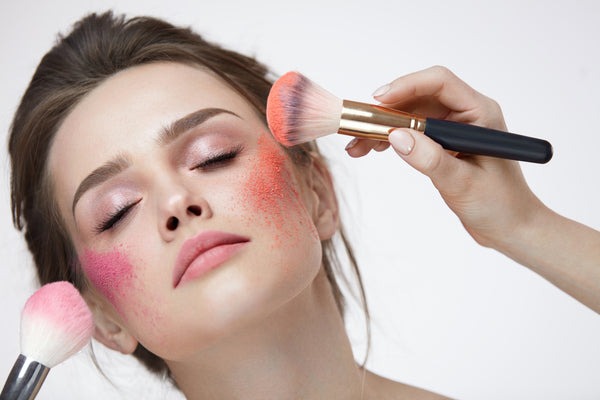
If you want to add a healthy flush of color to the cheeks, bringing life and dimension to your face, you use blush. Unfortunately, because of the vast array of shades available, selecting the correct blush for your skin tone can feel overwhelming.
The key to achieving a natural and flattering look is understanding your skin tone and undertones. Discover the process for identifying your skin tones and selecting a Patrick Ta blush that is right for you.
Identifying Your Skin Tone and Undertones
Your skin tone refers to the surface color of your skin, while undertones refer to the subtle hues that peek through beneath the surface. Undertones can be warm, cool, or neutral.
To determine your tone palette, you can perform either the vein test or the silver and gold test. The vein test requires looking at your inner wrist under natural light. If your veins appear greenish, you likely have warm undertones, but if they appear bluish or purple, you have cool undertones. If you can’t tell or it isn’t easy to differentiate, your skin tones are likely neutral.
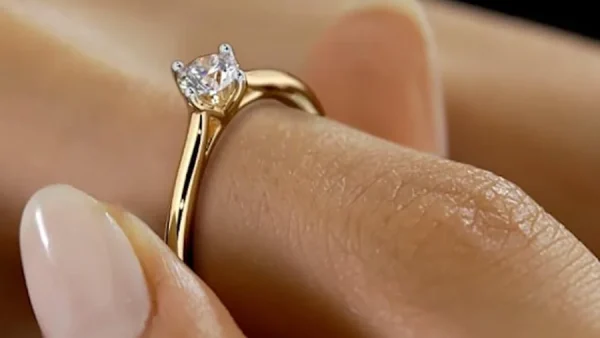
For the silver and gold test, you want to find a silver piece of jewelry and a gold piece. Hold the pieces next to your face in natural light. If the silver looks more flattering, you likely have cool undertones. If the gold complements your complexion better, your undertones are likely warm. You have a more neutral complexion if it is hard to differentiate.
For Warm Skin Tones
Before purchasing a Patrick Ta Blush Duo set, you should understand what colors go best with your skin. For warm complexions that have a golden, olive, or peachy cast, you might want:
- Bronzer
- Coral
- Pink with a peach base
- Mauve with peach or brown undertones
With a warmer complexion, you might want to avoid overly cool-toned blushes, like blue-toned pinks, because they can make your skin look dull or ashy. Choose a color that complements your skin tone rather than competes with it.
For Cool Skin Tones
Cool skin tones have a natural pink, rosy, or bluish tint. To make a statement or look your best, choose a blush that highlights the natural rosy hues of your complexion, such as:
- Berry
- Mauve with a pink or blue undertone
- Pink with a blue base
- Rose
You should be cautious of warm-toned blushes, like orange or peach-based blushes, because they can make your skin look sallow. It’s best to focus on cooler complements and add a subtle shimmer.
Where and How To Apply Blush
Even with the best makeup products, application and location matter to the final look. For most face shapes, blush should be applied to the apples of the cheeks and blended upwards. You want to start with a light hand, building layers gradually—remember, it is easier to add more blush than remove too much.
The above strategies are only tips. Personal preferences can change, and what works for one person may not work for the next. For a more personal blush suggestion, talk to a beauty specialist.